My Top 6 Preservatives to Avoid!
May 16, 2025
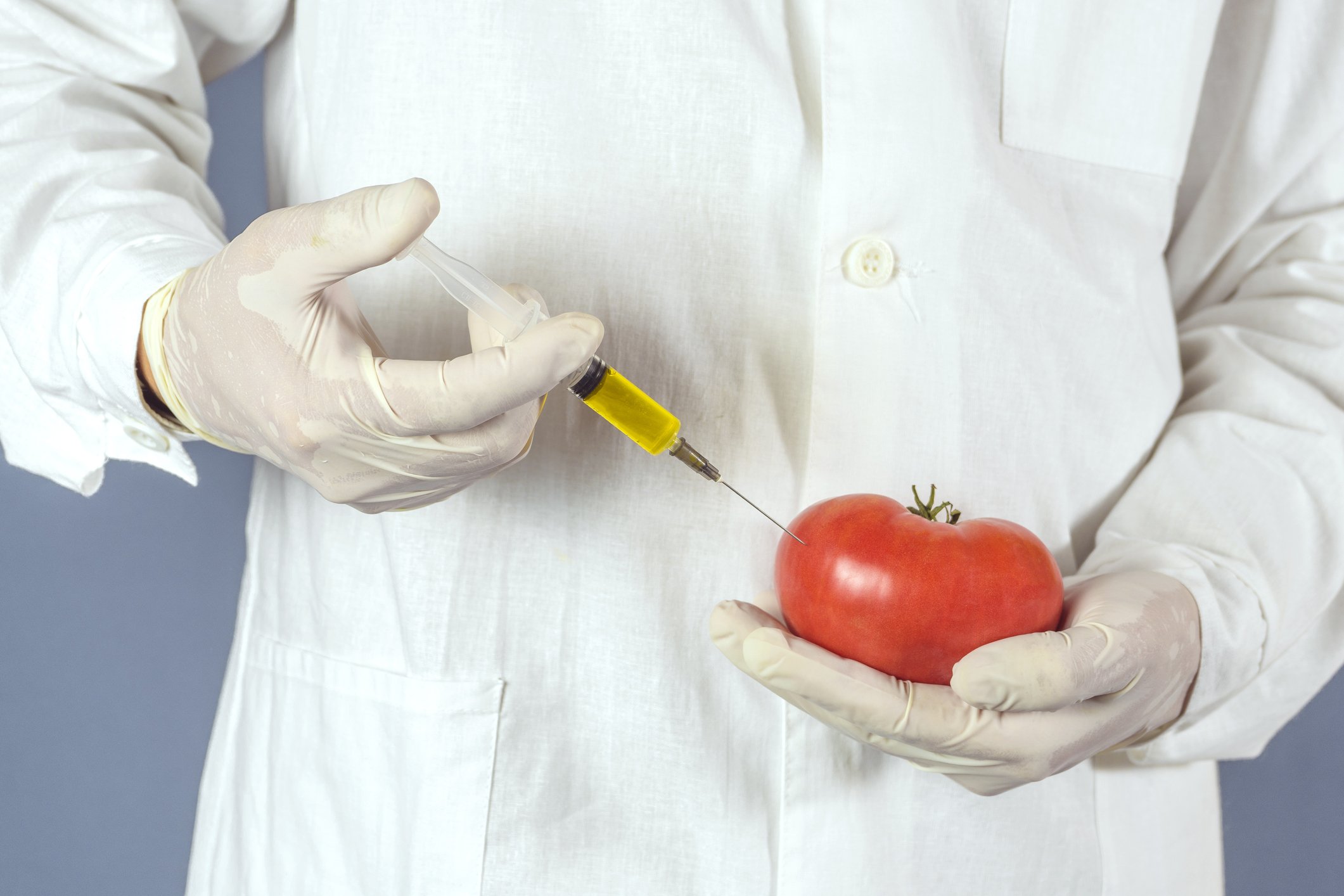
A guide to the 6 most dangerous preservatives and how to spot and avoid them
Preservatives are food additives that have been around since humans began preparing food. Perhaps the best-known preservative is salt. They are certainly useful for keeping food safe by preventing mould from forming. However, some modern-day chemical preservatives can have unintended side effects on our health.
Of course, some preservatives are necessary, but unfortunately, many companies are more concerned with taste and shelf life than with what’s healthy for the consumer. Some food additives are even listed as possible carcinogens by the World Health Organisation, yet manufacturers continue to use them.
When I think about what motivated me to get involved in children’s nutrition and what drives me to keep making changes in my own family’s diet, it’s that I believe we all deserve to eat real food.
To do this, we need to be informed and nutritionally literate so we can make the right decisions when faced with multiple options. Many of us don’t have time to cook every meal from scratch, so we have to rely on some packaged food. My ultimate aim is to help you learn to read nutritional labels to empower you to choose products that are free of the nasties that are present in so many packaged foods.
6 PRESERVATIVES TO AVOID:
1. BHA and BHT
BHA is a synthetic preservative made from petroleum and added to foods to stop fats going rancid. It’s been used for decades but growing evidence is raising concerns about its safety. The International Agency for Research on Cancer classifies BHA as “possibly carcinogenic to humans”, and the US National Toxicology Program lists it as “reasonably anticipated to be a human carcinogen.” In 2026, the US Food and Drug Administration began a major safety review, its first in over 60 years, signalling that this ingredient is under renewed scrutiny. BHA has also been flagged in Europe as a potential endocrine disruptor, meaning it may interfere with hormones, a key concern for growing children.
Found in:
Snack foods, cereals, nut butters, wraps, biscuits, margarine, chewing gum, frozen meals, instant noodles, processed meats and packaged foods containing oils.
Avoid these names and numbers on food packages:
320, E320, BHA, Butylated hydroxyanisole
Potential effects:
Suspected carcinogen, hormonal disruptor, gastrointestinal disturbances, asthma, eczema, dermatitis, hives, rashes.
Better choices:
- Avoid products that contain vegetable oils.
- Choose foods that say ‘preservative free’ on the pack or organic packaged foods, as they contain little or no synthetic colours or preservatives.
- Look for products containing ascorbic acid (300) or citric acid (330) – safer alternatives.
Note: The FDA’s post-market reassessment of BHA is ongoing as of 2026. RFR will update this entry if the regulatory position changes.
2. Sorbates
Sorbates are preservatives used to stop mould and extend shelf life. While they’re widely used, they can trigger reactions in sensitive individuals, especially children. Sorbates are listed on the Royal Prince Alfred Hospital elimination diet as additives to avoid and are not permitted in infant foods. Some research has also raised concerns about potential effects on DNA, although more evidence is still needed.
Found in:
Orange juice, cheese, pickles, yoghurt, dips, dried meats, soft drinks, ice cream, and baked goods.
Avoid these names and numbers on food packages:
Sorbic acid (200), Sodium sorbate (201), Potassium sorbate (202), Calcium sorbate (203).
Potential effects:
Headaches and migraines, asthma, allergic reactions (rhinitis, skin irritation), hyperactivity, gastrointestinal upset.
Better choices:
- Choose additive-free or natural yoghurts and dairy
- Make your own juice, smoothies or frozen treats
- Look for safer preservatives like: Vitamin C (300–304)
3. Propionates
Derived from propionic acid, calcium propionate (282) is most commonly known as the “bread preservative”. It’s widely added to supermarket bread and baked goods to prevent mould and extend shelf life, which is why some loaves can last up to 10 days outside the fridge. Australia allows relatively high levels of propionates in food. While they may have little to no effect in some people, research has linked regular intake to behavioural changes in children, including irritability, restlessness, inattention and sleep disturbance.
Found in:
Pre-packaged bread and wraps, cheese, pasta, bakery products, and breadcrumbs.
Avoid these names and numbers on food packages:
Propionic acid (280), Sodium propionate (281), Calcium propionate (282), Potassium propionate (283), Cultured whey, Cultured wheat, Cultured dextrose
Potential effects:
Linked to behavioural changes in some children, including irritability, restlessness, inattention and sleep disturbance
Better choices:
- Visit an organic or local bakery and ask if they use propionates (including cultured forms)
- Choose freshly baked bread where possible (always check ingredients)
- Make your own baked goods using whole-food flours
- Be cautious with wraps; many contain multiple preservatives, including 280 or 282. Choose wraps with short ingredient lists and no numbers.
4. Benzoates
Benzoates are used to extend shelf life. They are not permitted in infant foods and are known to trigger reactions in some children. Sodium benzoate (211) is the most commonly used form and has been linked to asthma, skin reactions and behavioural symptoms in sensitive individuals. A key concern is that when sodium benzoate is combined with vitamin C, it can form benzene, a known carcinogen. While the US Food and Drug Administration states that levels found in food are typically below harmful limits, this raises concerns about cumulative exposure, especially among children who consume multiple processed products.
Found in:
Cordials, orange juice, vegetable juice, soft drinks, cheese, yoghurt, ice-cream, sauces, toppings, baked goods, cough medicines, ointments.
Avoid these names and numbers on food packages:
Benzoic acid (210), Sodium benzoate (211), Potassium benzoate (213), and the less commonly used 214-219
Potential effects:
Asthma, headaches, hyperactivity, skin irritation, stomach upsets.
Better choices:
- Avoid soft drinks, cordials and commercial orange juices that contain preservatives.
- Replace sodas and cordials with water, coconut water and fresh smoothies
- Substitute store-bought tomato sauce for a homemade version. Make large batches to use as a base for pizza, stews and pasta sauces.
5. Sulphites
Sulphites are one of the most commonly used preservatives. Sulphur dioxide (the synthetic form) is added to extend shelf life, prevent bacterial growth, and preserve colour, especially in dried fruit. They’ve been banned in fresh meat in the US since 1959, but are still widely used in many packaged foods. Research shows that a significant number of children with asthma are sensitive to sulphites, and that reactions can depend on total exposure over the course of the day.
Found in:
Dried fruit (especially dried apricots and raisins), cordials, sausages, hamburger patties, rissoles, fruit juice, soft drinks, grapes, processed dried vegetables, deli meats, baked goods, glucose syrup, molasses, pickles, and garlic powder.
Avoid these names and numbers on food packages:
Sulphur dioxide (220), Sodium sulphite (221), Sodium bisulphite (222), Sodium metabisulphite (223), Potassium metabisulphite (224), Potassium sulphite (225), Potassium bisulphite (228)
Potential effects:
Asthma, eczema, skin rashes, headaches, and behaviour disturbances.
Better choices:
- Choose sulphite-free dried fruit where possible
- Limit foods like cordials, sausages and processed meats, which are major sources
- Swap sulphur-laden products for homemade options like potato wedges, sweet potato fries or simple whole-food snacks
6. Nitrates and Nitrites
They might seem like an easy protein option, but most smoked and cured meats, like ham, bacon and sausages, contain nitrates and nitrites to extend shelf life, preserve colour and prevent bacterial growth. These preservatives can convert into nitrosamines in the body, which are compounds linked to an increased risk of cancer. The American Cancer Society notes that diets high in processed and cured meats are associated with a higher risk of stomach cancer, with emerging evidence also linking them to bowel cancer.
Found in:
Processed meats like ham, salami, roast beef, chicken, turkey, bacon, sausages, frankfurters, smoked fish, and pickled vegetables.
Avoid these names and numbers on food packages:
Potassium nitrate (249), Sodium nitrite (250), Potassium nitrate (252)
Potential effects:
Recurrent infections, headaches, irritable bowel symptoms, stomach cancer, bowel cancer.
Better choices:
- Minimise processed and cured meats like sausages, bacon and deli slices
- Choose preservative-free options from a trusted butcher
- Look for products labelled “nitrate/nitrite free”
- Always check labels… these additives can also appear in unexpected products like ready meals or foods containing processed meats
My Top Pantry Staples for Families
1) Nut butter
- Mayver’s (Smunchy / Smooth – 100% nuts)
- Pic’s Peanut Butter
Look for: 100% nuts only
2) Extra virgin olive oil
- Cobram Estate
- Red Island
Look for: cold-pressed extra virgin
3) Rolled oats
- Red Tractor
- Macro Organic
Look for: plain whole rolled oats
4) Tomato passata
- Mutti
- Macro Organic
Look for: 100% tomatoes, no additives
5) Additive-free bread/wraps
- Naturis
- Mountain Bread
Look for: no preservatives (especially 280–282)
The Unfussy Eaters Club teaches you how to read labels, avoid hidden additives, and build a real food kitchen, with easy, family-friendly recipes to match. Order your copy NOW!
Connect with Mandy on Instagram and Facebook.