Education Hub
Latest research, evidence-based advice & expert tips
-

Isocycloseram Berry Residue Limits — Take Action Now!
A decision is currently being considered in Australia that could significantly increase the legal pesticide residue limits permitted on berries for the insecticide isocycloseram. For some berry crops, the proposed increase is around 500 times higher than the current limit. Before this decision is finalised, thousands of Australians are asking one simple question: Can we…
-
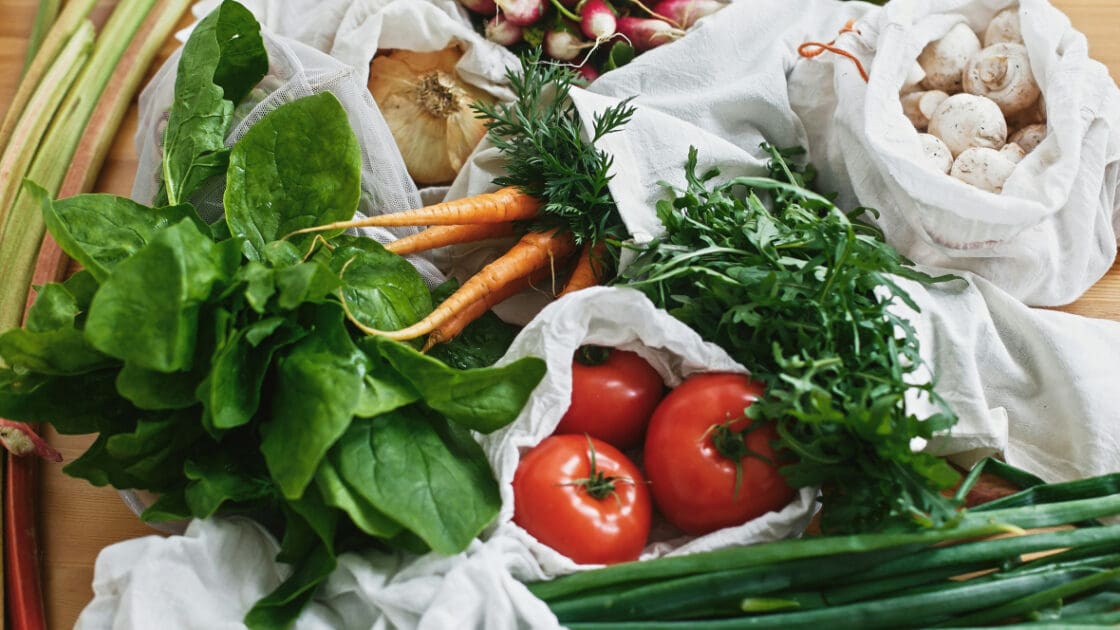
The 2026 Dirty Dozen & Clean Fifteen: Your Real Food Shopping Guide
Each year, the Environmental Working Group, or EWG, releases its Shopper’s Guide to Pesticides in Produce, using the latest U.S. Department of Agriculture residue testing data to rank conventionally grown produce by pesticide contamination. The guide is designed to help shoppers prioritise which items may be worth buying organic when budget allows.
-

The Lancet Has Spoken: Ultra-Processed Foods Are a Global Health Emergency – Here’s Why Australia Must Act Now
On November 19, 2025, The Lancet — one of the world’s most respected medical journals — published a powerful new editorial declaring what many health experts have warned for years: “Ultra-processed foods (UPFs) are damaging public health, fuelling chronic diseases, and deepening health inequalities. Addressing this challenge requires a unified global response that confronts corporate…
-
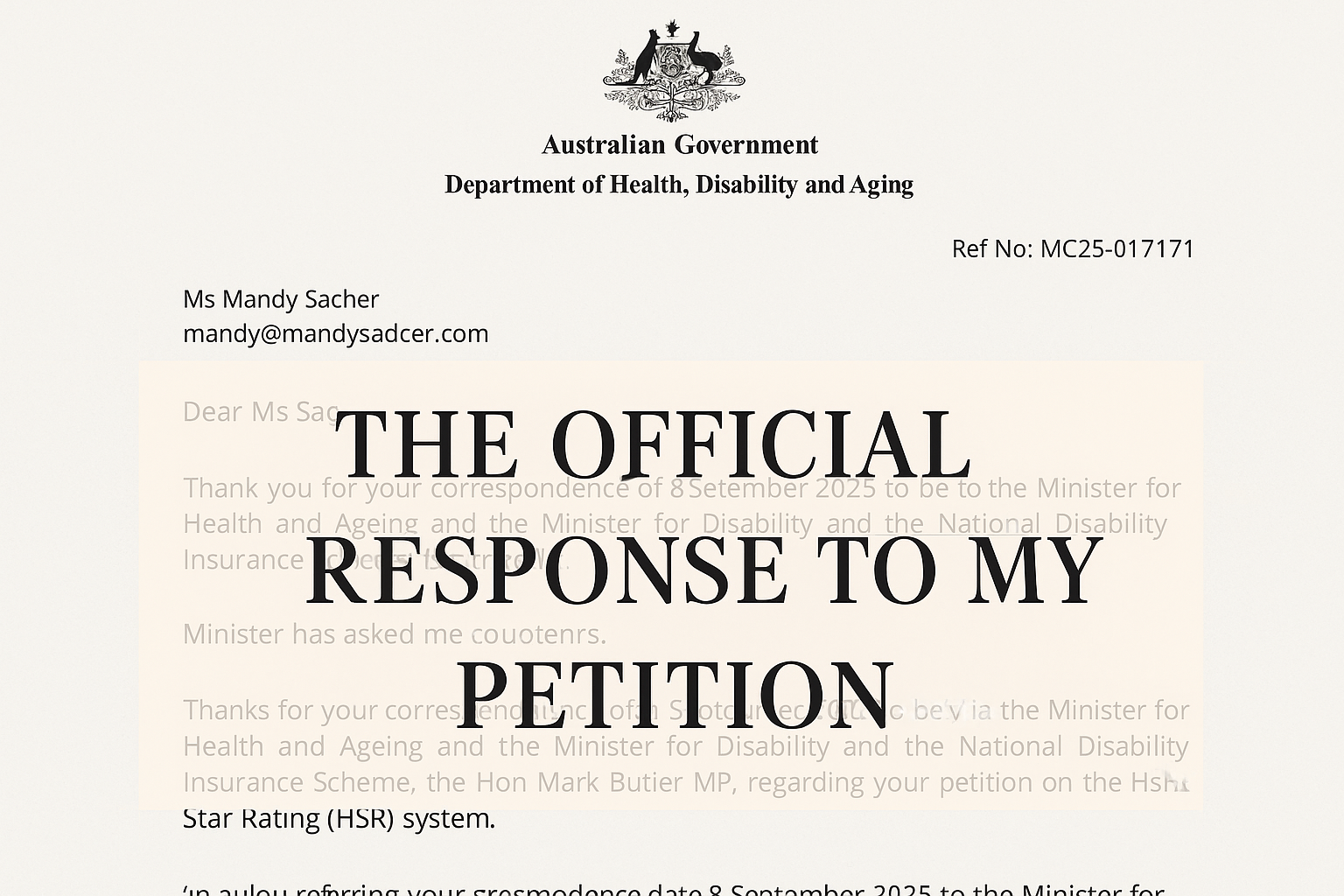
The Government Responded to Our Petition — Here’s What It Really Means for Aussie Families
The government has admitted the Health Star Rating system isn’t working, but they plan to make it mandatory anyway, without fixing the algorithm that misleads families into thinking ultra-processed foods are healthy choices. After more than 14,389 parents signed our PETITION calling for urgent reform of Australia’s Health Star Rating (HSR) system, I wrote to…
-
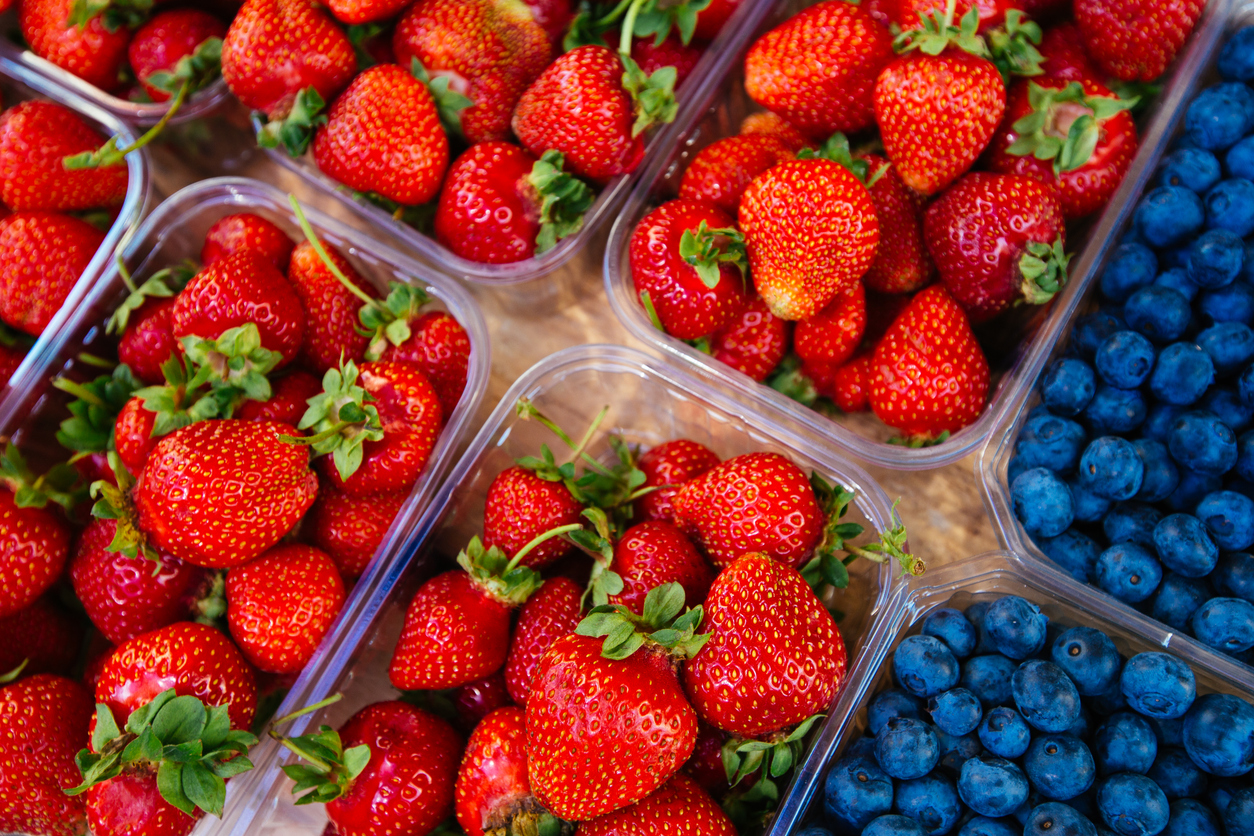
What Australian Families Need to Know About Berries and Chemical Residues
A major Australian study has found that artificially sweetened soft drinks may pose an even greater risk than sugary ones when it comes to developing type 2 diabetes. Researchers from Monash University, RMIT University and Cancer Council Victoria followed more than 36,000 adults for nearly 14 years and discovered that drinking just one diet soft…
-
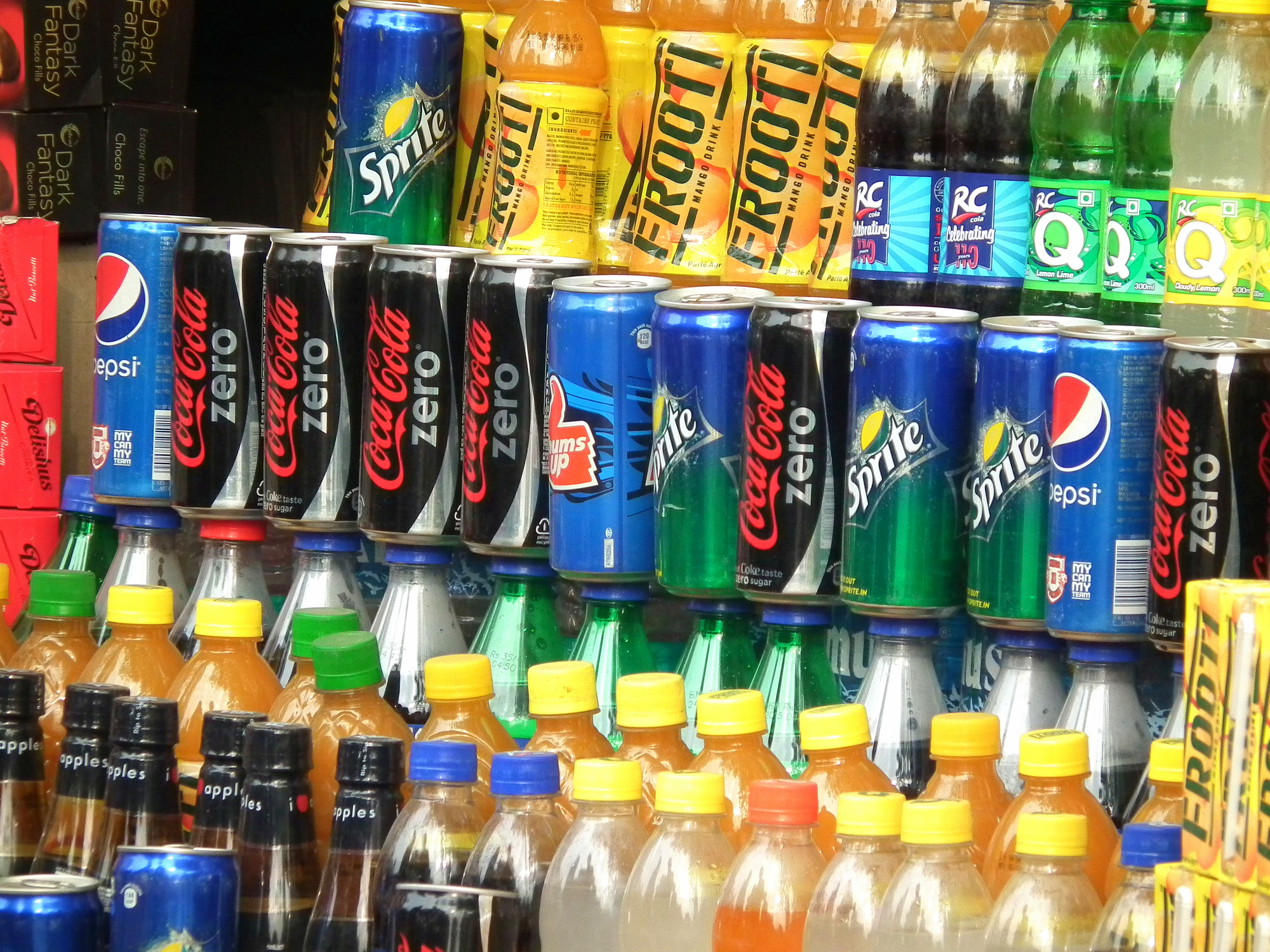
One Can a Day? Artificially Sweetened Soft Drinks Raise Type 2 Diabetes Risk by 38 Per Cent
A major Australian study has found that artificially sweetened soft drinks may pose an even greater risk than sugary ones when it comes to developing type 2 diabetes. Researchers from Monash University, RMIT University and Cancer Council Victoria followed more than 36,000 adults for nearly 14 years and discovered that drinking just one diet soft…
-

The Shocking Truth: Toddlers as Young as 3 Are Showing Signs of Heart Disease — and Ultra-Processed Foods May Be to Blame
A major study published in The BMJ analysed 45 research investigations covering nearly 10 million people. The results: 71% of health outcomes showed direct links between higher ultra-processed food consumption and increased health risks.
-

The Hidden Health Costs of Ultra-Processed Foods: What the Latest Research Reveals
A major study published in The BMJ analysed 45 research investigations covering nearly 10 million people. The results: 71% of health outcomes showed direct links between higher ultra-processed food consumption and increased health risks.
-

How Ultra-Processed Foods Are Affecting Our Kids’ Brains — Not Just Their Bodies
Ultra-processed foods (UPFs) aren’t just changing what’s in our children’s lunchboxes — they’re changing what’s happening in their brains. We’re not just seeing more sugar and additives. We’re seeing rising rates of ADHD, behavioural struggles, emotional dysregulation. An increasing body of science is connecting these trends directly to ultra-processed food.