The Ultimate Australian Rice Guide: What to Buy, Where to Buy It, and How to Make It Work for Your Family!
April 28, 2026
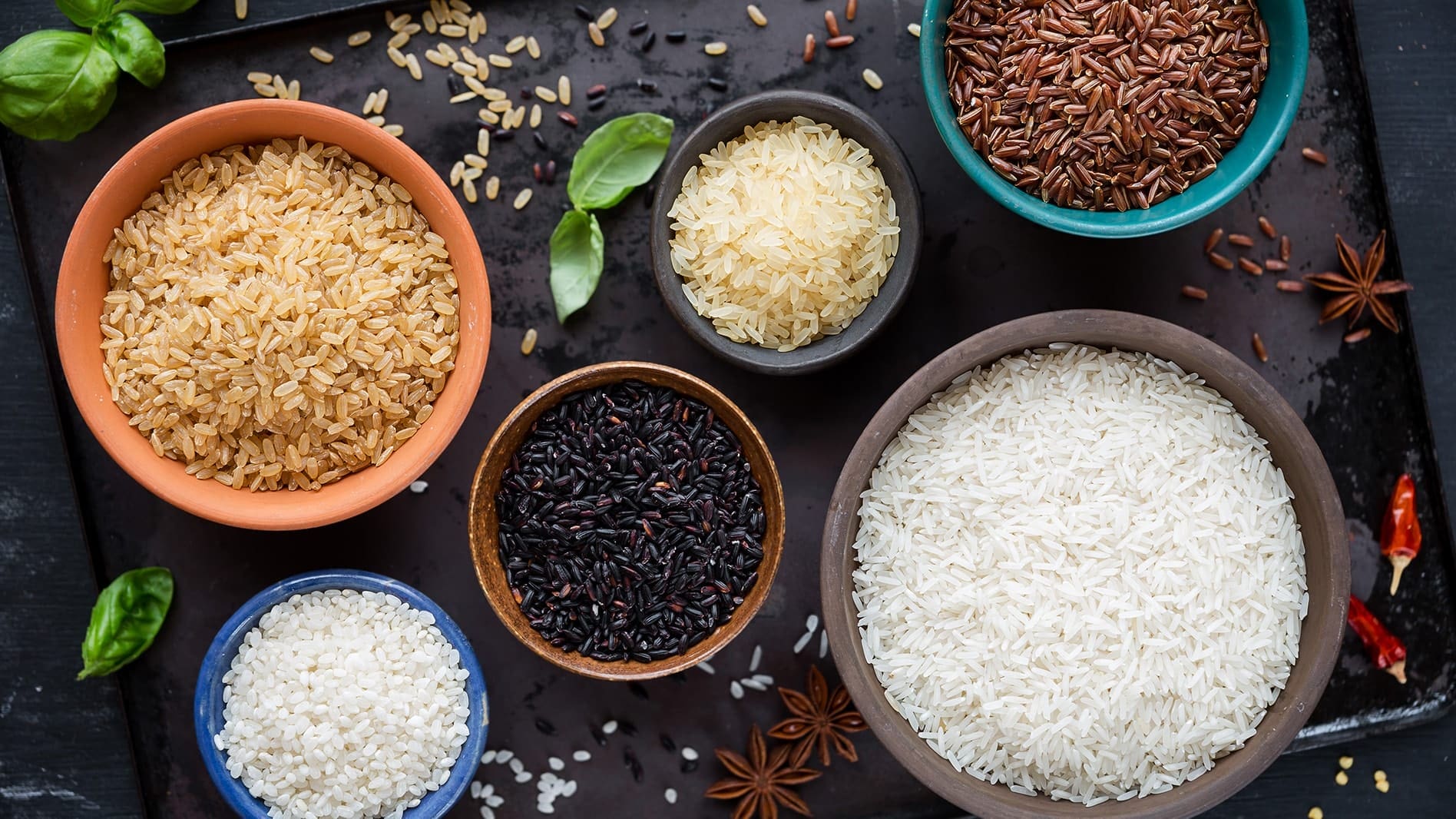
Let’s settle this once and for all.
Rice is one of the most contested foods in the modern wellness conversation, simultaneously celebrated as a clean whole food and criticised as a blood sugar spike waiting to happen. Families are confused about which type to buy, whether to worry about arsenic, what to do with a child who eats only plain white rice, and whether the microwavable pouches they’ve been tossing into lunchboxes are actually safe.
This article answers every single one of those questions with Australian product links, real brand examples, and practical strategies you can use tonight.
Why RiCe Type MatterS More Than You Think
Rice in its whole, unprocessed form has three layers:
- The bran (outer layer) — provides fibre, which feeds gut bacteria, slows digestion and stabilises blood sugar
- The germ (inner layer) — contains B vitamins, vitamin E, antioxidants and essential minerals
- The endosperm (centre) — primarily starch, provides energy, but causes rapid blood sugar spikes without the bran and germ to slow things down
When rice is milled into white rice, both the bran and germ are removed. What remains is a refined carbohydrate that digests quickly, delivers a fraction of the nutritional value, and, when eaten regularly without adequate protein, fat and fibre, it contributes to the kind of blood sugar rollercoaster that drives energy crashes, mood swings and hunger cycles in children and adults.
An analysis of 50 Australian supermarket rice products found that 74% contained less than 2–3g fibre per 100g, despite most being positioned as a healthy pantry staple.
Simple rule: If it still has its colour, it still has its nutritional armour, and rice variety matters. But what you serve alongside it matters even more.
Here’s the full guide from best to worst.
BEST:
Wild RiCe
Technically a grass seed rather than true rice, wild rice retains both bran and germ, giving it the highest fibre and protein content of any rice variety, alongside magnesium, zinc and vitamin B6.
Nutty, chewy, genuinely interesting to eat. Kids who reject brown rice often accept wild rice without a fight.
Buy it:
- Organic Wild Rice: Clean Pantry (online)
- Chef’s Choice Wild Rice: Harris Farm | GoodnessMe | Part & Parcel
Tip:
Batch cook on Sunday, refrigerate, use all week in salads, grain bowls and lunchboxes.
BlaCk RiCe
Often called Emperor’s Rice, black rice is naturally rich in anthocyanin antioxidants, the same compounds found in blueberries.
With the bran intact, it provides more fibre and micronutrients than white rice. It also turns a deep purple colour when cooked, which makes meals visually appealing for younger eaters.
Buy it:
- SunGrow Black Rice (Coles)
- Chef’s Choice Certified Organic Black Rice (About Me Organics (online) | Organics on a Budget (online))
Tip:
Try it as a rice pudding in coconut milk for a nutritious weekend breakfast kids actually enjoy. Also available in bulk from Asian grocery stores — often the best value for families.
Red RiCe
Red rice keeps its bran layer intact and provides meaningful amounts of fibre, iron and antioxidants.
It has a nutty flavour that pairs particularly well with roasted vegetables, legumes and slow-cooked meals.
Buy it:
- Chef’s Choice Organic Red Rice (Harris Farm)
- Honest to Goodness Organic Red Rice (online)
- SunGrow Organic Red Rice (Coles)
Tip:
Stir through vegetable or chicken soup in the last 20 minutes; it adds body and nutrition
BETTER
Brown RiCe
Brown rice is white rice that hasn’t had its bran removed. That single difference significantly improves its fibre and micronutrient content.
It’s also widely available and one of the easiest upgrades families can make without changing how they cook.
Buy it:
- SunRice Brown Rice Medium Grain (Coles & Woolworths)
- Honest to Goodness Organic Brown Basmati Rice (online)
- Riviana Brown Basmati Extra Long Grain (Coles & Woolworths)
- Chef’s Choice Organic Brown Basmati Rice (independent grocers & online)
Tip:
Fussy eaters? Start with a 50/50 blend of white and brown rice. The texture difference is almost imperceptible. Shift the ratio gradually over a few weeks.
Brown BaSmati RiCe
Brown basmati keeps the bran intact, giving you the fibre and B vitamins of a whole grain while retaining basmati’s naturally lower GI starch structure. The result is better blood sugar stability than standard brown rice with a lighter, less chewy texture that fussy eaters tend to find far more acceptable.
If your family already eats white basmati, this is the simplest swap you’ll ever make. Same fragrant flavour, same cooking method, better nutrition.
Buy it:
- Riviana Brown Basmati (IGA Stores)
- Chefs Choice Brown Basmati Rice (independent grocers & online)
Tip:
Already eating white basmati? Just swap the packet. The flavour difference is minimal but the nutritional difference is significant.
White BaSmati RiCe
Basmati is still a white rice, but its starch structure digests more slowly than standard jasmine or medium-grain white rice. More importantly, what you eat with rice changes its impact far more than the variety itself.
Buy it:
- Tilda Pure Basmati (Woolworths & Coles)
- Worldwide Foods Basmati (ALDI)
- Chef’s Choice Organic Basmati Rice (independent grocers & online)
Tip:
Rice served with protein, vegetables and healthy fats produces a much steadier blood sugar response than rice eaten on its own. A simple bowl of basmati with chicken, olive oil and vegetables is a stronger upgrade than switching rice varieties but keeping the meal otherwise the same.
OKAY
White RiCe
White rice isn’t the enemy. Eaten occasionally, paired with protein, vegetables and healthy fats, it’s fine. But it’s a refined product — the bran and germ deliberately removed — and not all white rice is equal. The variety matters significantly.
The GI of rice ranges from around 50 to 93 depending on the variety. This is a dramatic spread that most people don’t realise exists within the white rice category alone.
White rice ranked by GI:
- Doongara (Low GI White) — GI ~50–55. The lowest of all commonly available white rice varieties. Australian-grown, widely available.
- Basmati — GI ~50–58. Its higher amylose content slows digestion, making it a solid second choice.
- Jasmine — GI ~68–92 (peer-reviewed studies place the mean closer to 91). The most popular white rice and one of the highest GI.
- Medium grain/standard white — GI ~64–72. The supermarket default.
- Short grain/sushi/sticky rice — GI ~70–90. Highest of all, due to high amylopectin content.
The key insight: the main low-GI rice varieties in Australia are long-grain varieties, Basmati (listed in our Better category) and Doongara. If white rice is a fixture in your household, the variety you choose is a meaningful lever. And as always, what surrounds the rice on the plate matters as much as the rice itself.
Buy it:
- SunRice Doongara Low GI White (Woolworths & Coles)
AVOID
InStant & MiCrowavable RiCe
The format is the problem.
A University of Queensland study found four times as many microplastics in pre-cooked instant rice as in uncooked rice, approximately 13mg of plastic per 100g.
That’s a consistent, measurable exposure in products commonly used in children’s meals and lunchboxes.
Tip:
- Cool it fast. Spread cooked rice into shallow containers immediately after cooking, don’t leave it in the pot. Refrigerate within two hours and use within 3 days.
- Reheat thoroughly and once only. Heat to steaming hot all the way through (75°C) before serving. Never reheat the same rice twice, take out only the portion you need.
- Freeze in single portions for maximum convenience. Once cooled, freeze in individual serves in zip-lock bags or glass containers. Label with the date and use within 1–3 months. Defrost overnight in the fridge, never on the bench.
- Lunchbox rule. Pack rice either reheated and cooled rapidly into an insulated lunchbox with an ice brick, or cold straight from the fridge. Never pack rice that has been sitting at room temperature
HOW TO MAKE ANY RICE MORE NUTRITIOUS
- Cook in bone broth: Swap water for chicken bone broth and rice absorbs collagen, minerals and flavour at the same time.
- Pair with protein every time: Eggs, legumes, slow-cooked meat or tinned salmon reduce the overall glycaemic impact of the meal and improve satiety.
- Cool it overnight: Refrigerating cooked rice converts some starch into resistant starch, which behaves more like fibre and feeds beneficial gut bacteria.
- Add healthy fat: Olive oil, butter or avocado improves satiety and supports absorption of fat-soluble nutrients from vegetables served alongside.
THE FUSSY EATER UPGRADE
- Don’t announce the change, make it gradually.
- Start with a 50/50 blend of white and brown rice. After two weeks, shift toward mostly brown rice. Add small amounts of red or black rice for colour and variety.
- Most families complete this transition within a month without resistance.
- Let children choose toppings for rice bowls. Having control over what goes on top often increases acceptance of what sits underneath.
A WORD ON ARSENIC
Rice naturally absorbs arsenic from soil and water, and higher levels are typically found in the bran layer.
An Australian RMIT study (2020) found 75% of infant rice products tested exceeded European Union safety limits for inorganic arsenic in children’s foods. Australian limits are currently higher and apply across all ages.
Practical steps:
- Rinse rice thoroughly before cooking
- Cook in excess water, then drain (can reduce arsenic by up to 57%)
- Vary grains across the week: quinoa, millet, oats and buckwheat
- Skip rice cereal for babies. It provides limited bioavailable iron compared with whole food first foods like meat, legumes and egg yolk
THE BOTTOM LINE
Start wherever you are. Switching from standard white rice to a lower-GI variety is a meaningful upgrade. Brown rice is one of the easiest supermarket swaps families can make. Black or wild rice once or twice each week delivers even greater nutritional value. Cook rice in broth. Pair it with protein. Cool leftovers overnight. Leave microwavable cups on the shelf. The goal isn’t perfection. It’s making informed choices, one staple at a time.
The Real Food Rating app is launching soon and will make it simple to check rice products while you shop, helping you compare options quickly and choose with confidence in the supermarket aisle.
Join the Real Food Rating mailing list to be the first to hear when the app launches and get early access to practical supermarket guides like this one.
Want the Full Picture?
In the Real Food Reset: Lunchbox + Fussy Eating Fix workshop, I walk you through exactly why your child is refusing food, how to expand what they will eat without pressure or battles, and how to pack lunchboxes they will actually open. One hour. Practical strategies you can use straight away.
Date: Tuesday 29 April, 8:30pm AEST
Workshop: $75 Workshop + signed copy of The Unfussy Eaters Club: $95 (the book is $55 on its own — the bundle is the obvious choice)
Use code REALFOOD20 at checkout for your early bird discount.
The Real Food Rating is Australia’s only independent food rating system designed by a paediatric nutritionist. Brands can’t manipulate their ratings. Just honest ratings based on real nutrition science.