The Real Food Lunchbox Guide: Simple Snacks to Make Packing Easier!
October 22, 2026
Packing a lunchbox is a daily job, and most parents don’t have time to stand in the supermarket comparing every cracker and snack bar. But the snack aisle doesn’t make it easy to choose. “High protein”, “source of fibre”, “real fruit” and “added vitamins” might catch your eye, but they don’t tell you the full story about a product’s ingredients or how it’s made.
That’s why I’ve brought together this list of Real Food packaged snacks, along with practical ways to use them. These are options to mix and match with fresh fruit, vegetables and filling lunchbox staples. You don’t need to pack everything, buy expensive products or make every snack from scratch.
Start with the lunCh, then add the SnaCkS
Before reaching for the snack packets, think about what will make up the main part of your child’s lunchbox.
A simple starting point is:
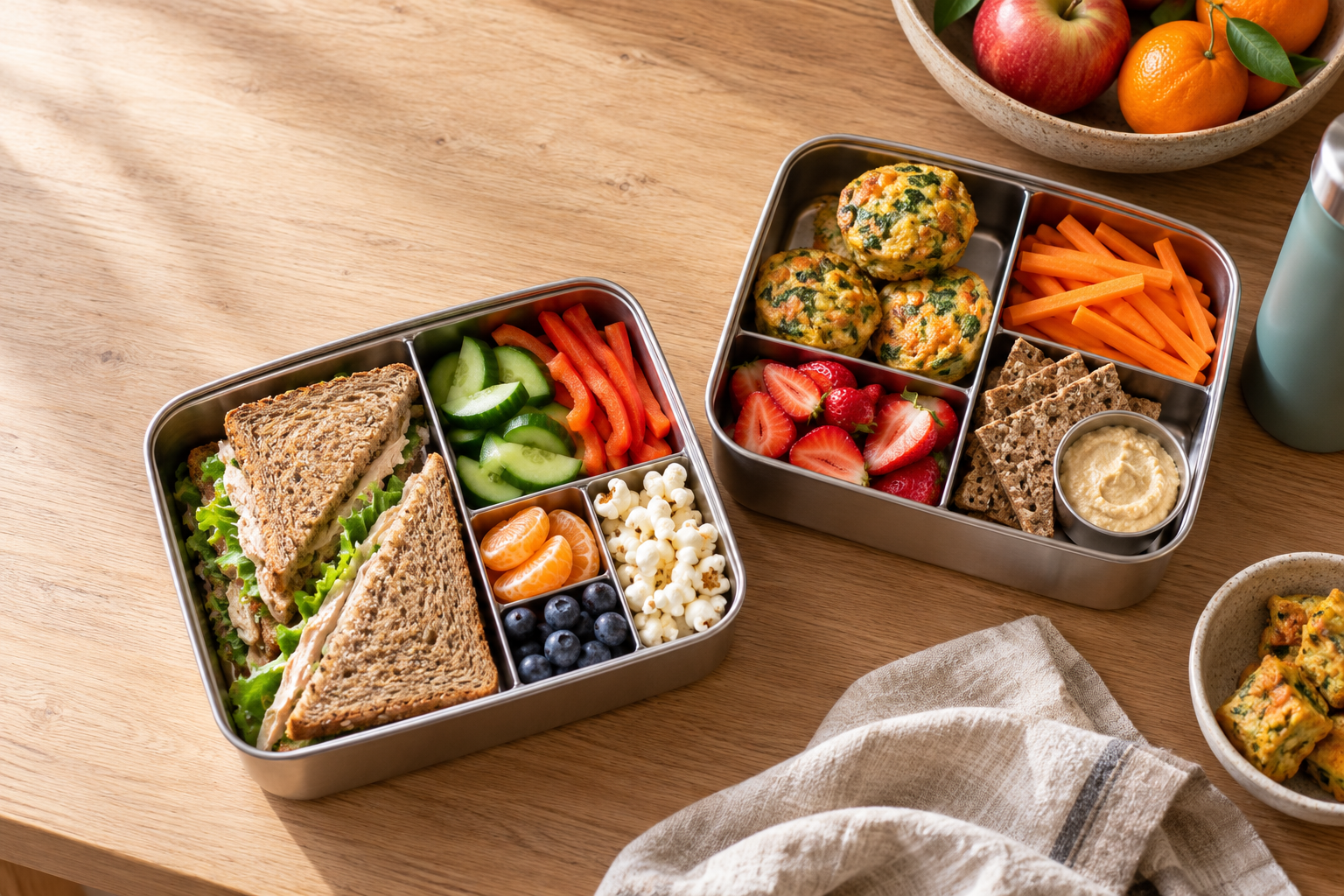
- Something substantial: a wholegrain sandwich, additive-free wrap, wholemeal pasta salad or leftovers your child enjoys.
- A source of protein: egg, chicken, beans, hummus, cheese or plain yoghurt, either in the main meal or alongside it.
- Fruit and vegetables: choose familiar options your child can manage independently.
- A snack to suit their appetite: use the ideas below for variety and convenience.
- Water: pack a refillable drink bottle.
Some days will be more varied than others. A familiar sandwich, a piece of fruit and a few simple extras can do the job perfectly well.
CraCkerS and CriSpbreadS
Crackers are easy to pack, but they are more satisfying and nourishing with something alongside them. Try cheese, hummus or mashed avocado with a squeeze of lemon.
Options to try:
- Orgran Quinoa Crispbreads
- Ceres Organics Organic Brown Rice Crackers
- Eat to Live Buckwheat Cakes
- Sesame Corn Thins
My packing tip: Keep crackers separate from dips and moist ingredients, so they stay crunchy. A small reusable container works well.
CrunChy SnaCkS
For children who enjoy a savoury crunch, these offer some variety:
- Temole Cauliflower Puffs, Sea Salt
- Sunseekers Organic EVOO Chips
- Gimme Roasted Seaweed Snack
- The Happy Snack Company Chickpeas
My packing tip: Think of these as one part of the lunchbox. A packet of puffs or seaweed still needs more substantial foods alongside it. It’s tricky to find good-quality, seed oil-free snacks at the supermarket, so if your family eats store-bought snacks, make sure the fats you cook with at home are quality choices.
And a vegetable name on a packet doesn’t make that snack a replacement for vegetables. Keep offering familiar options such as cucumber, capsicum or vegetables left over from dinner.
BarS and fruit SnaCkS
Packaged bars and fruit snacks can be useful on busy mornings, school excursions or days when the lunchbox is looking a little boring.
Options to try:
- All Natural Bakery Oat Slice
- Bob Snail Tropical Fruit Rolls
- Blue Dinosaur Banana Bread Bar
- Nibblish Gently Baked Mango
My packing tip: For the large All Natural Bakery oat slice, I suggest starting with half, alongside the other lunchbox foods. Adjust the amount to your child’s appetite, age and school day.
Keep fresh fruit in the rotation too. Dried fruit and fruit rolls offer convenience and variety, but they don’t need to replace an apple, mandarin or other fresh fruit your child enjoys.
Looking for muesli bars? Find my Real Food Rating-approved muesli bar guide here
Keep lunChbox CoStS manageable
You don’t need a lunchbox full of individually wrapped snacks. Choose a few packaged options that work for your family and rotate them with simple foods such as seasonal fruit, plain yoghurt portioned from a larger tub, crackers from a bigger packet or a homemade oat slice. If you’re already baking, freeze a few portions for the weeks ahead. If you’re buying packaged snacks, compare the unit prices. Larger packs can sometimes cost less, as long as you’ll use them. Try these delicious lunchbox-friendly recipes for a homemade option.
PaCk food your Child Can aCtually eat in appropriate ContainerS
The lunchbox needs to work for your child as well as look balanced. Check that they can open the containers and packaging, and involve them in choosing between a couple of suitable options. For a hesitant eater, include familiar foods alongside a small amount of something they’re still learning to enjoy. If food regularly comes home untouched, ask what happened. Was there enough time? Was the container difficult to open? Did the food go soggy? Those answers are often more useful than simply packing more. Check out My Guide to Choosing Lunchboxes.
Two CheCkS before the SChool bag CloSeS
Check allergens and school requirements. Products within the same range can have different ingredients and allergen statements. Follow your child’s allergy plan and their school’s food policy.
Keep perishable foods cold. Use an insulated lunch bag with a frozen ice brick or water bottle beside foods such as yoghurt, cheese, meat and dips. Keep the packed lunch in the fridge until it’s time to leave.
Coming Soon: eaSier ChoiCeS with Real Food Rating
Real Food Rating looks beyond front-of-pack claims to consider ingredient integrity, processing, additives and nutrition.
Soon, you’ll be able to find snack recommendations like these in one place, making it easier to compare products and find options that suit your family.
For updates, follow @realfoodrating on Instagram and join our mailing list here: