Additive Awareness Series: The Ultimate Hidden Sugar Cheat Sheet – How to Outsmart Hidden Sugar Labels
July 6, 2025
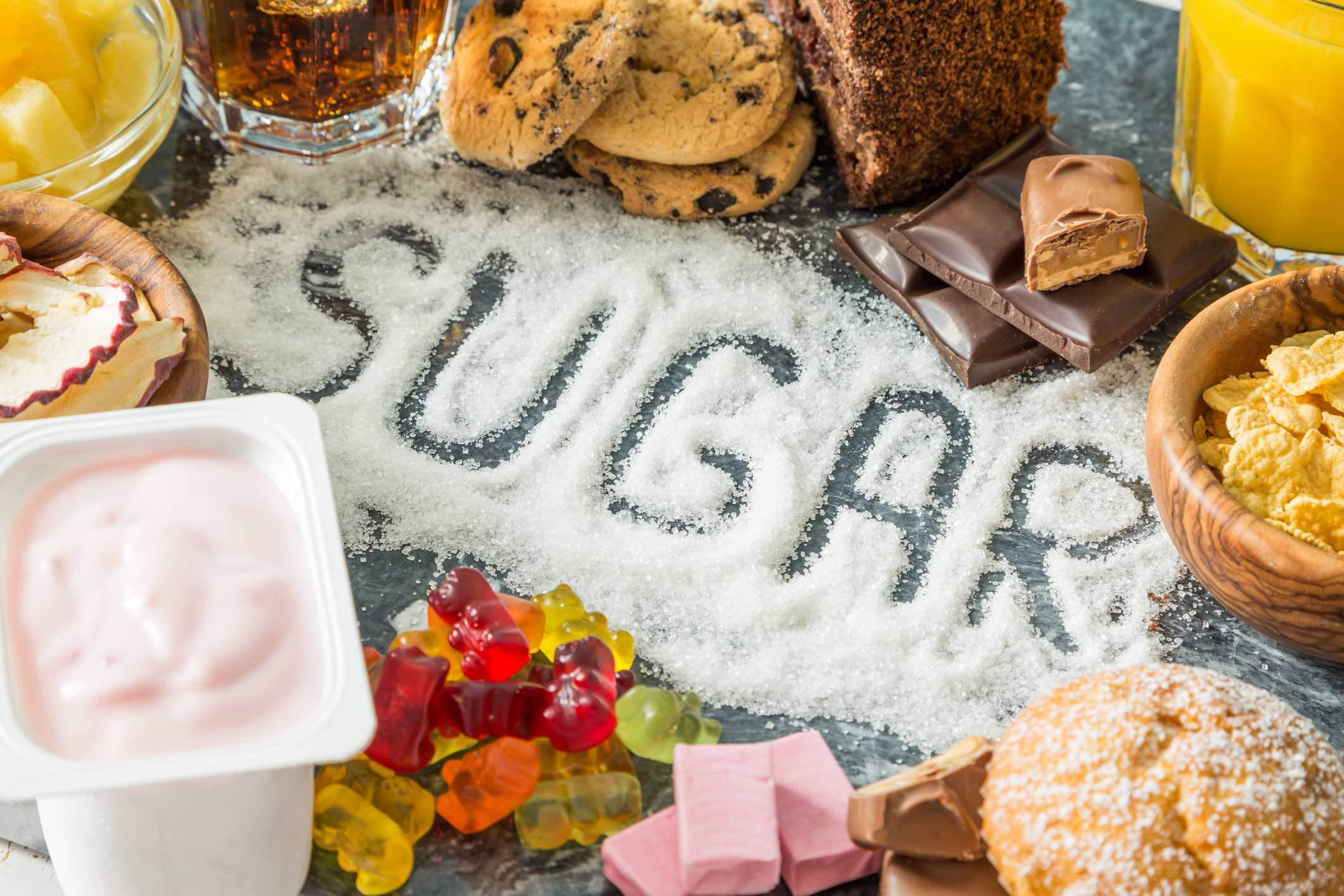
Sugar is no longer just “sugar” on a label — and food companies are counting on you not knowing that.
It’s maltodextrin. It’s brown rice syrup. It’s invert sugar.
And it’s hiding in snack bars, yoghurts, cereals, and even savoury foods under dozens of misleading names. Many sound “natural” or harmless, but they behave very differently in your child’s body.
Recent research shows children consuming high amounts of ultra-processed foods (UPFs) — including foods loaded with hidden sugars are 25% more likely to exhibit ADHD symptoms, according to a 2024 meta-analysis of over 58,000 children and adolescents. There is also a 53% increase in the risk of anxiety, as shown in a 2022 review of 17 studies on children’s mental health and diet.
Low-Sugar and Sugar-Free
And it doesn’t end there, if you are trying to avoid sugars in your diet and substituting with artificial sweeteners — which are often used to replace sugars in ‘sugar-free’ or ‘low-sugar’ foods — they come with risks of their own. Aspartame (951) was recently classified as “possibly carcinogenic to humans” by the World Health Organization (2023). See WHO classification. Sucralose (955) has been shown to disrupt gut bacteria after even a single exposure.
The good news? Once you know what to look for, protecting your family becomes surprisingly simple.
This cheat sheet breaks down the most common hidden sugars, grouped by how processed they are — so you can make better choices at a glance.
Hidden Sugars — Grouped the Simple Way:
Natural Added Sugars – Minimally processed, retains some nutrients, lower GI when paired with fibre. Better options, but best used in moderation.
- Coconut sugar
- Raw honey (preferably unheated/local)
- 100% pure maple syrup
- Molasses / Blackstrap molasses
- Evaporated cane juice
- Turbinado sugar
- Demerara sugar
Processed Sugars to Limit – Refined but not chemically manipulated. Okay, occasionally, but best limited in daily foods.
- Cane sugar
- Brown sugar
- Raw sugar (often more refined than it sounds)
- Sucrose
- Fructose (when its extracted from fruit
- Glucose
- Maltose
- Lactose (naturally found in dairy)
- Golden syrup
- Treacle
- Barley malt extract/syrup
- Fruit juice concentrate
Ultra-Processed Sugars to Avoid- Chemically refined, common in UPF’s, linked to gut issues, blood sugar spikes, and inflammation.
Industrial Syrups:
- Glucose syrup
- Corn syrup
- High-fructose corn syrup (HFCS)
- Brown rice syrup / rice syrup
- Fructose-glucose syrup
- Caramelised sugar syrup
- Refiner’s syrup
- Isoglucose
Chemical Sugars:
- Maltodextrin
- Invert sugar
- Dextrose
- Crystalline fructose
- Glucose solids
Deceptively “Natural”:
- Agave syrup (despite its “natural” marketing, it’s heavily processed and very high in fructose)
Artificial Sweeteners:
- Aspartame (951)
- Sucralose (955)
- Acesulfame K (950)
- Saccharin (954)
- Cyclamate (952)
- Neotame (961)
- Advantame (969)
Sugar Alcohols:
- Sorbitol (420)
- Mannitol (421)
- Xylitol (967)
- Erythritol (968)
- Maltitol (965)
- Isomalt (953)
- Lactitol (966)
These are often found in ‘low carb’ products and hidden under different names on ingredient lists to downplay the total sugar content. If a product has more than one of these, it’s likely ultra-processed.
PARENT CHEAT SHEET: Top 10 Sugars to Avoid in Kids’ Snacks
- Maltodextrin
- Glucose syrup
- Corn syrup
- Brown rice syrup
- Invert sugar/syrup
- Dextrose
- Caramelised sugar syrup
- Aspartame (951)
- Sucralose (955)
- Acesulfame K (950)
Top TIPS for Reducing Sugar
If any sugar, or a hidden name, appears in the first 3 ingredients, it’s a sign the product isn’t a healthy choice.
Stick to products with:
-
- Less than 5g sugar per 100g for kids
- Recognisable, wholefood ingredients
- Only one natural sweetener (if any)
Your Next Step: The Real Food Reset – Reducing sugar doesn’t mean saying no to treats. It means just saying no to manipulative marketing and hidden chemicals.
The Real Food Reset will help you:
- Read labels like a pro
- Spot and swap the worst sugar offenders
- Stock your pantry with real food brands that pass our strict standards
Start your free Real Food Reset today — and give your family the insider edge the food industry doesn’t want you to have.
Next in the series:
Food Colourings: The Brain-Disrupting Additives Still Legal in Aussie Kids’ Food
The Real Food Rating is Australia’s only independent food rating system designed by a paediatric nutritionist. Brands can’t manipulate their ratings. Just honest ratings based on real nutrition science.