Microplastics in Your Food: 7 Simple Ways Families Can Reduce Exposure!
May 25, 2026
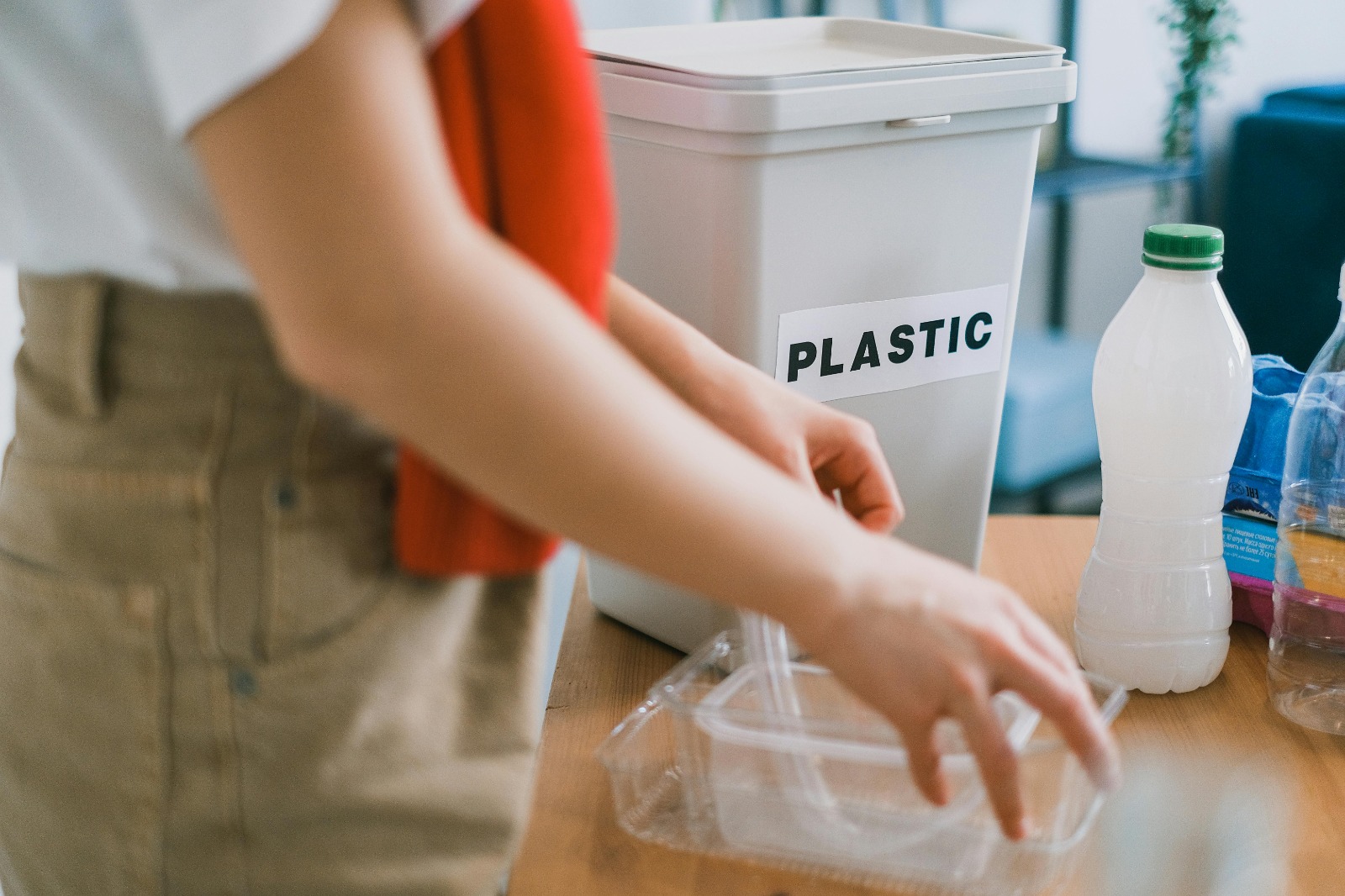
Microplastics are no longer just an environmental issue; they’re increasingly becoming a food and public health concern. Researchers are now detecting microplastics throughout the environment, including oceans, waterways, agricultural soil and even the human body. While science is still evolving, growing research is linking microplastic exposure to concerns around inflammation, hormone disruption, gut health and long-term cumulative exposure.
The good news? Families do not need to panic.
One of the most encouraging findings to emerge recently came from Australian researchers at the University of Western Australia, who found that simple lifestyle and kitchen changes significantly reduced plastic chemical levels in the body in just seven days.
This is not about living a perfect “plastic-free” life. In modern society, that is almost impossible. Instead, it is about reducing unnecessary exposure where we realistically can, especially around food. Here are some of the most practical and evidence-informed ways to reduce microplastics in your family’s diet.
1. Avoid Heating Food in PlaStiC
If there is one takeaway every family should remember, it is this: Heat plus plastic equals higher exposure. Research suggests heating food or liquids in plastic can increase the release of microplastics and plastic-associated chemicals into food.
Simple swaps can make a big difference:
- Reheat leftovers in glass or ceramic instead of plastic containers
- Avoid microwaving takeaway containers
- Transfer hot foods out of plastic packaging before serving
- Avoid pouring boiling liquids into plastic where possible
- Let hot food cool slightly before sealing plastic lunch containers
This is one of the easiest and most effective places for families to start.
2. ReduCe Ultra-ProCeSSed and Heavily PaCkaged FoodS
The more processed and packaged a food is, the more plastic touchpoints it tends to encounter.
Many ultra-processed foods move through extensive industrial handling, packaging, storage and transportation before reaching supermarket shelves. This means more opportunities for contact with plastics throughout the food chain. This does not mean families need to eliminate all packaged foods overnight. Instead, focus on gradually increasing the proportion of:
- Fresh fruit and vegetables
- Homemade meals
- Minimally processed foods
- Fresh proteins
- Wholefood snacks
Reducing ultra-processed foods can support not only lower plastic exposure, but also better overall nutrition.
3. Be More Mindful of Baby and Toddler Food PaCkaging
Children are not just small adults. Their brains, hormones, immune systems and gut microbiome are still developing. Research suggests exposure to microplastics may begin very early in life, with particles detected in placentas, breast milk and newborn babies. This is why reducing unnecessary exposure during early childhood is a sensible and precautionary approach.
Practical tips for families include:
- Avoid heating baby food pouches
- Transfer food in pouches (if using) into a bowl before heating rather than feeding directly from heated packaging
- Use glass, stainless steel or silicone feeding products where practical
- Reduce reliance on heavily packaged toddler snacks where possible
Remember: this is not about guilt. Modern families are busy and doing their best. Small changes still matter.
4. Swap PlaStiC Drink BottleS for GlaSS or StainleSS Steel
Reusable drink bottles are fantastic for reducing waste, but material choice matters too.
Where practical, consider:
- Stainless steel drink bottles
- Glass water bottles for adults
- Filtered tap water instead of bottled water
Bottled water has been identified in some studies as a contributor to microplastic exposure, particularly when bottles are exposed to heat. Canned drinks may also have plastic linings so be mindfurl of thes too. A simple family habit like keeping reusable stainless steel bottles in the car or school bags can help reduce both waste and exposure.
5. ReduCe PlaStiC ContaCt During Food Storage
Many families are storing food in plastic multiple times every day without even thinking about it. While occasional use is unlikely to be catastrophic, reducing repeated exposure over time may be worthwhile.
Simple kitchen swaps include:
- Glass containers for leftovers
- Stainless steel lunchboxes
- Ceramic bowls for reheating
- Wooden chopping boards instead of plastic where possible
- Avoiding scratched or damaged plastic containers
The goal is not perfection, it’s simply reducing the overall plastic load in your kitchen environment.
6. Rethink ConvenienCe Culture
Modern convenience often comes with hidden trade-offs. Takeaway packaging, individually wrapped snacks, bottled drinks and heavily processed convenience foods can all increase plastic exposure points throughout the food chain. One of the simplest ways to reduce exposure is to bring food preparation back into the home where possible.
This does not mean spending hours cooking elaborate meals. Even simple habits lik batch cooking, packing homemade snacks, preparing lunches at home and buying larger pantry staples instead of individually wrapped portions can help reduce reliance on excessive packaging.
7. FoCuS on ProgreSS, Not PerfeCtion
One of the biggest challenges families face when learning about food and environmental health is feeling overwhelmed. You do not need to throw out your kitchen. You do not need to live a completely plastic-free life. You do not need to fear every packaged food. The research is not suggesting perfection.
What the science increasingly tells us is that small, realistic changes done consistently can meaningfully reduce exposure. That is empowering.
Final ThoughtS
Microplastics are now part of modern life, modern food systems and modern convenience culture. While researchers are still learning about the long-term health implications, the direction of concern is becoming clearer. The encouraging news is that families are not powerless. Simple kitchen habits, especially around heating food, reducing ultra-processed foods and choosing lower-plastic food storage options can genuinely make a difference.
At Real Food Rating, we believe families deserve practical, evidence-based information that helps them make informed choices without fear or overwhelm. Because healthy eating is not about perfection. It is about creating a healthier food environment for ourselves and our children — one realistic step at a time.
Ready to reduce ultra-processed foods, make healthier swaps and create a lower-plastic food environment for your family? My mission is to help families cut through confusing food marketing and make realistic, evidence-based choices without fear or overwhelm.
Grab a copy of The Unfussy Eaters Club for practical family recipes, lunchbox ideas, wholefood swaps and simple strategies to help raise confident eaters while reducing reliance on heavily processed foods.
Join the Real Food Rating newsletter for supermarket swaps, ingredient insights, new product ratings, family nutrition tips and practical ways to reduce unnecessary exposure in everyday foods. Because healthy eating isn’t about perfection, it’s about making small, informed changes that add up over time.