Updated: The Best and Worst Spreads for Families: A Real Food Rating Guide
June 17, 2026
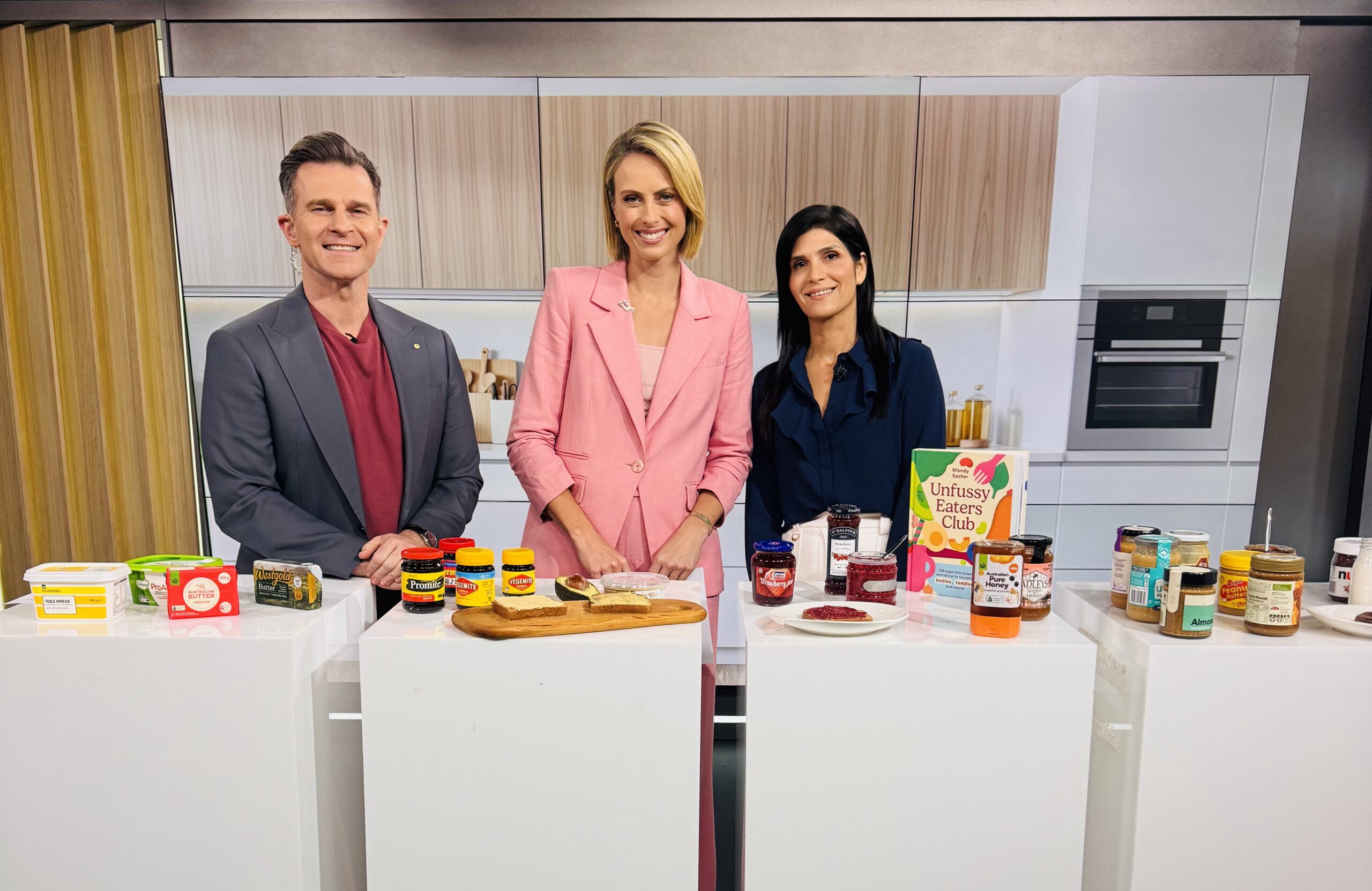
Spreads are one of the biggest contributors of hidden sugar, sodium and ultra-processed ingredients in the family diet. From Vegemite and jam to peanut butter and chocolate spreads, these products are often eaten every day, making them one of the easiest places to improve nutrition without changing the entire family’s diet.
The reality is that these foods are often eaten every day, sometimes multiple times a day, making them one of the most important categories for families to get right. The good news is that choosing better spreads is one of the easiest nutrition upgrades you can make. Small changes at breakfast and in lunchboxes can significantly reduce a family’s intake of added sugar, excess sodium, and ultra-processed ingredients, while increasing protein, fibre, and real-food nutrition.
This guide examines some of Australia’s most popular spreads, what is really inside them, and the simple swaps that can help families build healthier meals without sacrificing convenience or taste.
1. ButtEr vs MargarinE
Few supermarket products create more confusion than butter and margarine. Butter contains one ingredient: cream. Many margarines contain refined vegetable oils, emulsifiers, flavours, colours, preservatives and added vitamins. Yet butter, with one ingredient, receives one Health Star. And margarine, with up to twelve ingredients, receives four Health Stars. The system is truly broken.
Butter is a traditional food that naturally contains fat-soluble vitamins, including vitamins A, D, E and K2. Margarine was specifically developed to replace butter and typically requires multiple processing steps and ingredients to achieve its texture and functionality.
This highlights one of the major limitations of nutrient-based rating systems. They assess selected nutrients but do not adequately account for processing. We need more real food and fewer engineered and heavily marketed ones.
Real Food Rating Top Picks
- Westgold Unsalted Butter
- Pepe Saya Cultured Butter
- Macro Organics Unsalted Butter
Dairy-Free Alternatives
- Extra virgin olive oil chilled until spreadable
- Coconut oil
Practical Tip
Choose unsalted butter where possible and focus on portion size rather than avoiding real food altogether.
2. VEgEmitE
Vegemite is one of Australia’s most recognised foods. While it contains B vitamins, it is essentially a concentrated yeast extract spread containing salt, flavourings, colour 150c and added vitamins.
Compared with Promite and Marmite, Vegemite comes out on top because sugar is not listed as its second ingredient, and it contains malt extract instead of processed and ultraprocessed sugar and glucose syrup.
The bigger issue with Vegemite is sodium. Research from Deakin University found that almost three-quarters of primary school children consume too much sodium, while almost one in five showed signs of elevated blood pressure.
Most sodium doesn’t come from the salt shaker. It comes from packaged foods. So if you or a family member enjoys Vegemite on toast, follow these tips for an upgrade.
Real Food Rating Top Picks
- Homemade Savoury Spread
- Avocado smash ( with nutritional yeast for that umami flavour)
- Hummus (with feta cheese if it’s the saltiness that’s missed)
Top 3 Vegemite Upgrades
- Swap to Kid’s Vegemite (lower in sodium and no 150c)
- Add avocado
- Add unsalted butter
- Add cheese
Practical Tip
Scrape, don’t scoop. A thin scrape of Vegemite on quality wholegrain or sourdough bread is very different from a thick layer spread generously across white bread.
The nutrition should come from the real food around the spread, not the spread itself.
3. Jam and HonEy
Many jams are marketed as fruit products. A quick look at the ingredient list often reveals a different reality.
If sugar appears before fruit, the product is primarily a sugar spread with some fruit added. The simplest rule when choosing jam is to look for products where fruit is listed first.
Honey is a natural food produced by bees, but it remains a concentrated source of sugar and should be used mindfully. Always choose a raw honey, in a glass jar instead of plastic wherever possible.
Real Food Rating Top Jam Picks
- Homemade Raspberry Chia Jam (recipe available in the Unfussy Eaters Club)
- St Dalfour Fruit Spread
- Beerenberg Reduced Sugar Range
Best Honey Choices
- Raw local honey
- Organic raw honey
- Manuka honey
Practical Tip
Don’t just think about the spread. Think about what you’re pairing it with and what you are offering alongside it. Add protein such as peanut butter, eggs, cheese or roasted chickpeas to help keep children fuller for longer. A jam or honey sandwich, enjoyed occasionally, isn’t the problem. A jam sandwich on white bread with no protein is.
4. PEanut ButtEr and Nut ButtErS
Peanut butter is one of the easiest supermarket upgrades available. The best peanut butters contain one primary ingredient:
Peanuts. Many commercial products contain added sugar, vegetable oils, salt and BHA (this is an antioxidant that’s used to preserve the vegetable oil and prevent it from going rancid – avoid!!). Read more here.
It’s also worth rotating your nut and seed butters rather than relying on the same one every day. Different nuts and seeds provide different nutrients, healthy fats and minerals.
- Almond butter is naturally higher in vitamin E, fibre and monounsaturated fats.
- Cashew butter provides iron, magnesium and a creamy texture that children often enjoy.
- Tahini (sesame seed butter) is rich in calcium and makes an excellent nut-free alternative for school lunchboxes
Real Food Rating Top Peanut Butter Picks
- Mayver’s 100% Peanuts
- Pic’s Peanut Butter
- Fix & Fogg Super Crunchy
- Byron Bay Peanut Butter
Best Alternative Nut and Seed Butters
- Mayver’s Smooth Natural Hazelnut Cacao & Cashew Butter
- Noya ABC Almond Brazil & Cashew Nut Butter
- Dastony Sprouted Pumpkin Seed Butter
- Foods to Nourish Organic Sprouted Hemp Spread
What to Avoid
- Added sugar
- Vegetable oils
- Hydrogenated oils
- Preservatives such as BHA (320)
Practical Tip
When buying peanut butter, look for peanuts doing the heavy lifting. The fewer ingredients, the better
5. ChoColatE SprEadS
Chocolate spreads are one of the biggest examples of food marketing creating a health halo.
The packaging leads with hazelnuts, but the star of the ingredient list is sugar, it’s listed first. A 220g jar of Nutella contains approximately 31 teaspoons of sugar.
One standard serve (15g, or one tablespoon) contains just over 2 teaspoons of sugar. For many young children, that’s close to half of their recommended daily intake of added sugar in a single serve.
And let’s be honest, very few children stop at exactly one tablespoon. Nutella isn’t a health food and it isn’t a breakfast food. It’s best viewed in the same way as a chocolate bar: an occasional treat rather than an everyday staple. Enjoy it on pancakes on a weekend, not as fuel before school or work.
Real Food Rating Better Choc Picks
- Pana Organic Chocolate Hazelnut Spread
- Food to Nourish Chocolate Hazelnut Spread
- Homemade Chocolate Spread – Black Beans
- Home Date Chocolate Spread
Practical Tip
Think of chocolate spreads as occasional foods, not everyday breakfast foods. The homemade version provides healthy fats, fibre and natural sweetness with significantly less sugar than traditional chocolate spreads. More delicious spreads are available in Unfussy Eaters Club.
ThE REal Food Rating TakEaway – whEn it ComES to Shopping for SprEadS
The front of the packaging is designed to sell the product. The ingredient list tells the truth.
When comparing spreads, start by asking three simple questions:
- How many ingredients does it contain?
- How processed is it?
- Would those ingredients be found in a typical home kitchen?
Simple foods are often the best place to start. Grab a copy of The Unfussy Eaters Club for more delicious spread recipes, lunchbox ideas, wholefood swaps and simple strategies to help raise confident eaters while reducing reliance on heavily processed foods.
Join the Real Food Rating newsletter for supermarket swaps, ingredient insights, new product ratings, family nutrition tips and practical ways to reduce unnecessary exposure in everyday foods. Because healthy eating isn’t about perfection, it’s about making small, informed changes that add up over time.