
One Can a Day? Artificially Sweetened Soft Drinks Raise Type 2 Diabetes Risk by 38 Per Cent
July 31, 2025
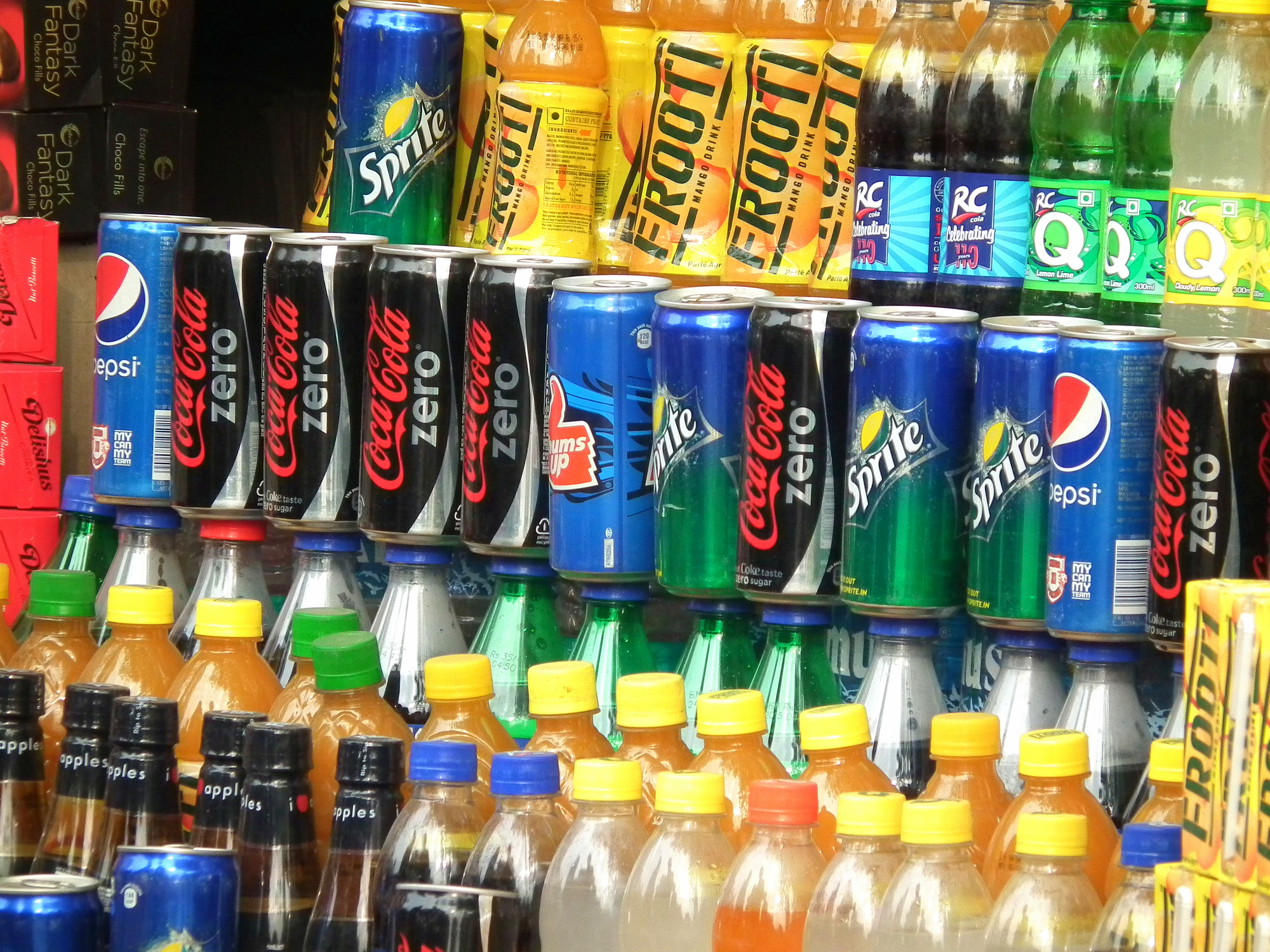
A major Australian study has revealed that artificially sweetened soft drinks may pose an even greater risk than sugary ones when it comes to developing type 2 diabetes.
Researchers from Monash University, RMIT University and Cancer Council Victoria analysed data from over 36,000 Australian adults over nearly 14 years. They found that drinking just one can of diet soft drink per day was associated with a 38 per cent higher risk of developing type 2 diabetes.
Surprisingly, the risk from sugar-sweetened drinks, such as regular soft drinks, was lower at 23 per cent.
Why ThiS MatterS?
Many consumers reach for artificially sweetened drinks under the impression that they are a healthier alternative to sugary beverages. However, this study challenges that perception and raises concerns about their safety, especially for those at risk of developing type 2 diabetes.
Key FindingS
- Artificially sweetened beverages (ASBs): Daily intake linked to a 38 per cent higher risk of type 2 diabetes
- Sugar-sweetened beverages (SSBs): Daily intake linked to a 23 per cent higher risk
- The link between ASBs and diabetes remained even after adjusting for body weight, indicating a potential direct metabolic effect
- The study accounted for factors such as diet, physical activity, socioeconomic status and overall health history
What Might Be Happening?
Although the precise mechanisms are still being researched, several biological pathways may help explain the findings:
- Gut microbiome disruption: Certain sweeteners can negatively alter gut bacteria, impairing blood sugar regulation
- Insulin response: Some sweeteners, such as aspartame, may stimulate insulin release similarly to sugar
- Glucose absorption: Artificial sweeteners may interfere with the way glucose is processed in the digestive system
Some studies have shown that these effects can occur even after a short period of regular consumption.
What DoeS ThiS Mean for Children?
Type 2 diabetes is on the rise among children. Once considered rare in young people, it now accounts for over 20% of new diabetes cases in Australians aged 10–18. Between 2002 and 2022, childhood diagnoses increased fivefold, driven largely by poor diet and exposure to ultra-processed foods. While many parents choose diet soft drinks or sugar-free cordials, thinking they’re the “better” option, this study suggests these choices may still carry significant risks. Early exposure to artificial sweeteners may alter glucose regulation, appetite cues, and gut health in ways that could increase a child’s lifetime risk of metabolic conditions like type 2 diabetes. For children, the safest daily drinks remain water, milk, and naturally unsweetened beverages.
PraCtiCal AdviCe for FamilieS
Regardless of whether a soft drink is sweetened with sugar or artificial sweeteners, neither should be consumed regularly. These beverages are best viewed as occasional treats rather than daily staples.
Healthier Options:
Less Ideal | Better Choices |
Diet soft drinks | Sparkling water with fresh fruit |
Sugar-free cordials | Cold-brewed herbal teas or infused water |
Light soft drinks for children | Coconut water (in moderation) or diluted fresh juice |
How the Health Star MiSleadS
The study raises urgent questions about the credibility of front-of-pack labelling systems like Australia’s Health Star Rating, which continues to award high ratings to artificially sweetened beverages despite mounting evidence of harm. Many diet soft drinks and sugar-free cordials receive 4 or more stars, misleading families into believing they are a safe, everyday choice.
This research reinforces the need for comprehensive labelling reform, one that evaluates ingredient integrity and long-term health impacts, not just calorie content. Australia’s current system is not just outdated, it is actively undermining public health.
Artificial SweetenerS to Avoid
While the study did not analyse individual sweeteners in participants’ diets, it highlighted several commonly used artificial sweeteners found in diet drinks and sugar-free products that may carry health risks:
- Aspartame (E951): Can trigger an insulin response similar to sugar and has been linked to metabolic disturbances.
- Sucralose (E955): Poorly absorbed and shown to disrupt the gut microbiome, which may impair blood sugar control.
- Saccharin (E954): Associated with reduced glucose tolerance in healthy individuals.
- Acesulfame Potassium (E950): Rapidly absorbed and excreted, with unclear long-term metabolic effects.
These sweeteners are often found in products marketed as “sugar-free,” “light,” or “diet,” many of which still receive high Health Star Ratings despite emerging research suggesting potential harm. Parents should be especially cautious about offering these products to children.
The Bottom Line
This is the first long-term study in Australia to investigate both sugar-sweetened and artificially sweetened beverage intake and the associated risk of type 2 diabetes. The findings are clear: neither option is risk-free. With more than 1.3 million Australians living with type 2 diabetes, and many more undiagnosed, there is an urgent need to re-evaluate how sweetened beverages, both sugar and artificially sweetened, are marketed and consumed.