What Australian Families Need to Know About Berries and Chemical Residues
September 16, 2025
UPDATE – July 2026: New PropoSal to InCrease PeStiCide ReSidue LimitS on BerrieS
Since this article was first published, Australian regulators have released a new proposal to increase the legal Maximum Residue Limits (MRLs) for a relatively new insecticide called isocycloseram on several berry crops, including raspberries and blackberries.
For some berries, the proposed legal residue limits would increase by between 70-fold and 500-fold, depending on the crop. Regulators say these proposed limits remain below their health-based safety thresholds and are unlikely to pose a risk to consumers.
The proposal has sparked widespread public concern across Australia, with many parents questioning why we would permit higher pesticide residues on one of the healthiest foods children eat most often. This is where I believe the conversation needs to evolve. The question isn’t simply whether these proposed levels remain below a regulatory safety threshold.
The question is: Shouldn’t we always be aiming for the lowest practical pesticide exposure on foods our children eat regularly?
Isocycloseram is also a relatively new insecticide. In the regulator’s own toxicology assessment, high-dose animal studies identified effects on the liver, the male reproductive system and development. Regulators maintain that expected dietary exposure from food remains well below the levels at which these effects occurred.
This article has therefore been updated to include this important development while continuing to advocate for greater transparency, stronger monitoring and a more precautionary approach to protecting Australian families.
Why ThiS MatterS?
Australia’s pesticide regulatory system is facing increasing scrutiny as questions are raised about whether it has kept pace with changing food consumption patterns, modern farming practices and emerging science around long-term chemical exposure.
The recent proposal to increase legal residue limits for isocycloseram on berries has added to these concerns. Many parents are asking why, at a time when consumers are seeking fewer chemicals in their food, Australia is considering permitting higher pesticide residues on foods children eat regularly.
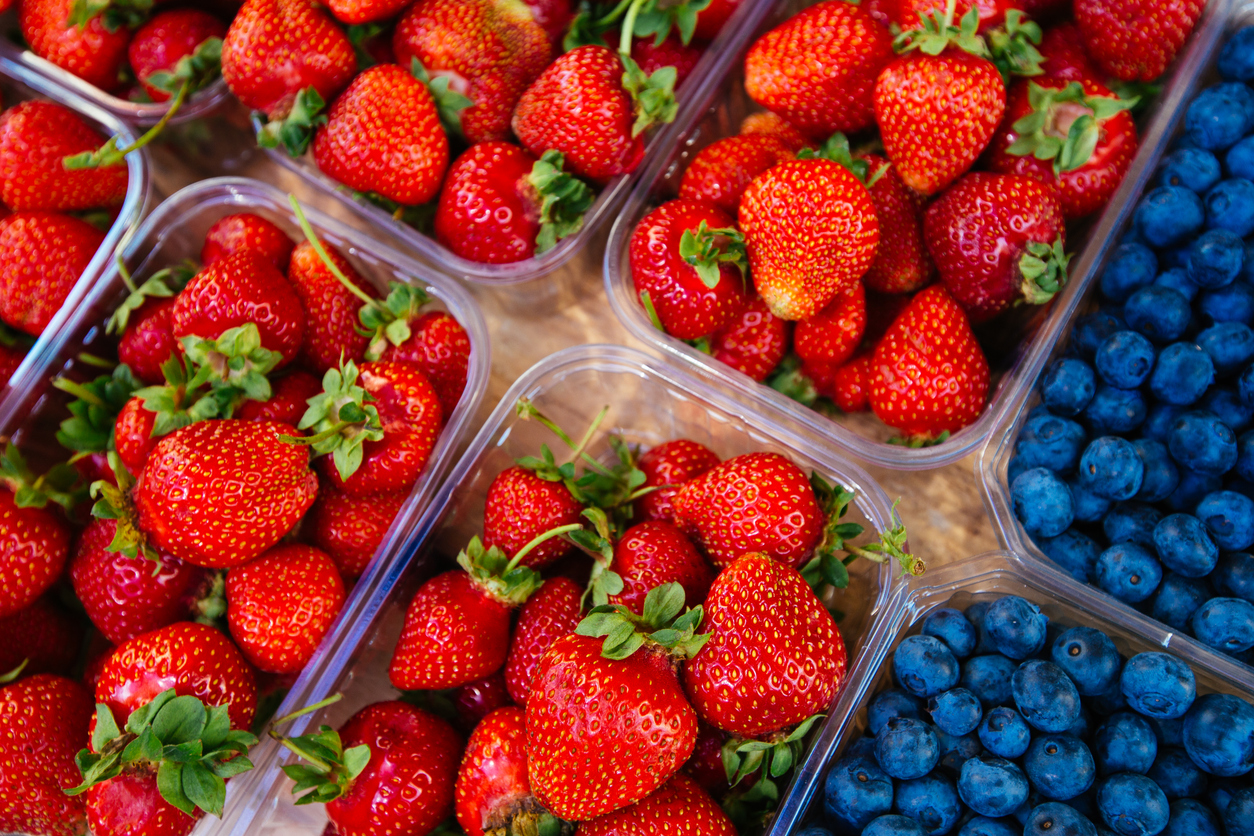
An ABC News investigation, led by Professor Kirsten Benkendorff from Southern Cross University, revealed that blueberries purchased from major NSW supermarkets contained dimethoate — a pesticide banned in the EU since 2019 and classified by the U.S. EPA as a “possible human carcinogen.”
InduStry ReSponSe
The berry industry has disputed these findings. Berries Australia conducted its own testing of 14 supermarket samples and reported no detection of thiometon and no breaches of legal residue limits. The industry also suggested contamination could stem from spray drift from neighbouring farms or illegal use, rather than being a widespread issue within the sector.
Key FindingS
- Australian regulators are proposing to increase the legal residue limits for the newer insecticide isocycloseram on some berries by between 70-fold and 500-fold. The proposal is currently under consultation, with regulators stating the new limits remain below their health-based safety thresholds.
- Dimethoate was found on multiple blueberry samples at levels high enough that a child weighing 20 kg could exceed the Acceptable Daily Intake (ADI) after eating just a handful.
- Thiometon, which is illegal to use in Australia, was detected in 6 of 11 blueberry samples and all 5 raspberry samples tested — including one organic.
- All berry samples tested contained between 4 and 11 different pesticide residues
How ThiS IS PoSSible?
Australia’s pesticide regulatory system is fragmented, with multiple agencies sharing responsibility, and critical monitoring gaps:
- Berry consumption data hadn’t been updated since 1995 until a recent 2024 survey revealed a 285–962% increase in consumption.
- The APVMA (our pesticide authority) only began a review of dimethoate on berries after questioning by the ABC.
- The last time FSANZ tested pesticide residues on berries was in 2019, and the results weren’t fully published.
- A previous national monitoring system, created in 2013 to track pesticide residues, was scrapped in 2014. In its pilot phase, 16% of tested produce was non-compliant, with dimethoate the most common offender. No replacement system was introduced.
What Might Be Happening?
Possible explanations raised include:
- spray drift from neighbouring farms;
- contamination during growing, handling or transport;
- incorrect or unapproved pesticide use; and
- gaps in monitoring and traceability across the supply chain.
Professor Benkendorff’s findings had not yet been peer-reviewed at the time of publication, but they were based on accredited laboratory testing and were reviewed by other scientists as methodologically credible. Her stated aim was not to discredit the berry industry, but to highlight gaps in oversight and the need for stronger monitoring.
What DoeS ThiS Mean for Children?
Children are particularly vulnerable to pesticide exposure because they eat more food relative to their body weight than adults and their bodies are still growing and developing.
This is particularly relevant when considering newer pesticides such as isocycloseram. While regulators say expected exposure remains below their health-based safety thresholds, the toxicology assessment they assessed, identified effects on the liver, male reproductive system and development in animal studies at much higher doses.
Importantly, this does not mean eating berries will cause these effects. Rather, it reinforces why many scientists and public health advocates argue we should continue working towards reducing unnecessary pesticide exposure wherever practical, particularly for foods eaten frequently by children.
PraCtiCal AdviCe for FamilieS
Firstly, don’t panic.
Berries are still incredibly nutritious and worth including in your child’s diet. This is about reducing exposure where you can, not removing foods your kids love. To reduce pesticide exposure from berries:
- If berries are something your child eats regularly, prioritise organic where possible: Even if it’s just some of the time. Organic farming does not allow synthetic pesticides like dimethoate, and overall exposure levels tend to be lower.
- Buy organic or certified chemical-free berries whenever possible.
- Frozen organic berries are often more budget-friendly and nutritionally equivalent to fresh.
- Rotate fruit choices to reduce repeated exposure to a single food. This is one of the simplest and most effective ways to lower cumulative intake.
- Wash berries thoroughly before eating: While this won’t remove everything, especially pesticides that are absorbed into the fruit, it can help reduce surface residues. A baking soda soak may help break down some chemicals further.
Note: Organic isn’t about perfection. It’s about reducing exposure where it matters most. Even organic berries can occasionally contain trace residues due to environmental factors like spray drift, but they remain a safer choice overall.
If going organic isn’t always realistic, small changes like rotating fruits or reducing frequency can still make a meaningful difference over time, especially for foods your child eats often.
This is particularly important for babies, toddlers, and children who consume berries frequently.
The Real Food Rating PerSpeCtive on FreSh ProduCe
At Real Food Rating, all fresh fruits and vegetables are awarded a 5 Real Food Rating (RFR) for their wholefood status, but that doesn’t mean every apple or blueberry is created equal. Our rating system highlights nutrient density and minimal processing, but we also believe families deserve transparency about chemical exposure, especially for foods marketed as healthy.
The recent proposal to increase legal residue limits for isocycloseram reinforces exactly why Real Food Rating exists.
Families deserve to know when regulations affecting their food are changing. They deserve transparency about how those decisions are made and confidence that regulators are continually striving to reduce unnecessary chemical exposure, not simply determining the highest level considered legally acceptable.
Our goal isn’t to create fear. Our goal is to advocate for food that is not only nutritious, but as safe as reasonably possible.
While recent testing shows that certified organic berries are not entirely immune to pesticide contamination, they remain a safer choice overall. The key is choosing trusted organic or certified chemical-free growers, particularly for vulnerable groups such as babies, toddlers, and pregnant women.
We understand that eating certified organic across the board isn’t realistic for every household, and it shouldn’t have to be. That’s why we support:
- Improved traceability in the fresh produce supply chain, so parents can know how and where their fruit is grown
- Greater oversight and testing of domestic and imported produce, especially for foods heavily marketed to children
- Transparent labelling of pesticide residues, just as we demand transparency in additives and sugar content
- Stronger protections for budget-conscious families, ensuring access to safe, nutritious produce isn’t a privilege
Ultimately, we believe the burden should not fall solely on families to “shop smarter.” Australia’s food safety standards must evolve — and until they do, Real Food Rating will continue to raise the alarm where needed and advocate for food that’s not just nourishing, but genuinely safe.
What HaS Changed Since ThiS Article WaS FirSt PubliShed?
When this article was originally published, the focus was largely on older pesticides such as dimethoate and thiometon. Since then, Australian regulators have proposed increasing the legal residue limits for a newer insecticide called isocycloseram on several berry crops. Read the research here.
While regulators say these proposed limits remain below their health-based safety thresholds, many parents have questioned whether increasing pesticide residues is the right direction for Australia’s food system. For Real Food Rating, this reinforces four important principles:
- Families deserve greater transparency whenever food regulations change.
- Australia needs more independent long-term research into cumulative pesticide exposure.
- Children’s diets and modern food consumption patterns should continue to inform regulatory decisions.
- Our regulatory goal should always be to achieve the lowest practical pesticide exposure, particularly on foods children eat regularly.
The Bottom Line
Australia’s pesticide regulation system is under increasing scrutiny, not because there are no rules in place, but because those rules have not kept pace with how we eat today, particularly for foods heavily consumed by children. Findings like those from Professor Benkendorff highlight an uncomfortable but important reality: even foods we consider among the healthiest can carry invisible risks when oversight, monitoring, and data fall behind current consumption patterns.
This isn’t about removing nutritious foods like berries from our children’s diets. It’s about recognising that “acceptable” does not always mean optimal, especially for small bodies with higher exposure relative to their size. Families should not have to navigate this alone.
It’s time for reform.
Until then, Real Food Rating will continue advocating for transparency, safety, and systems that truly protect the health of our children — not just the reputation of our food system.