What Australian Families Need to Know About Berries and Chemical Residues
March 19, 2026
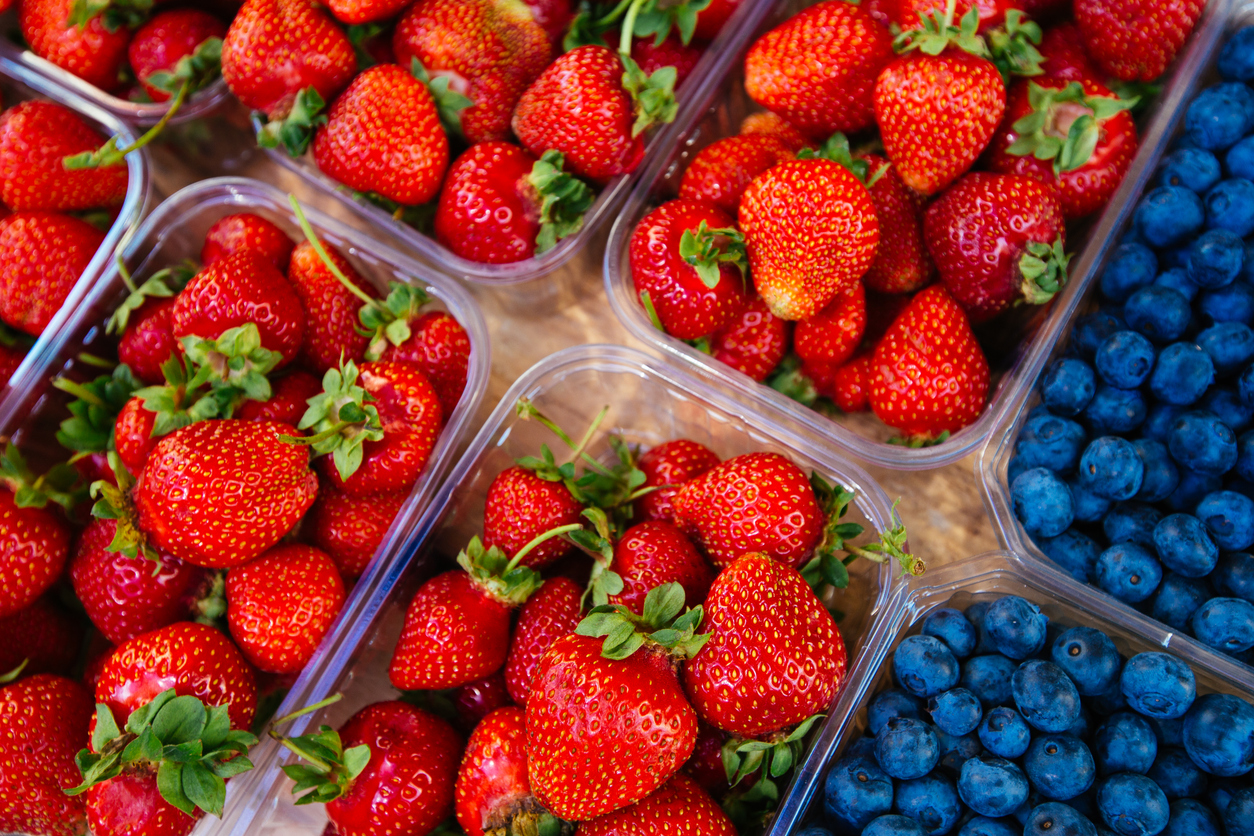
Fresh berries are often seen as a symbol of health — packed with antioxidants, fibre, and flavour. But recent testing has exposed a hidden concern: pesticide residues, including chemicals banned in other countries, are being found on Australian supermarket berries.
Australia’s food safety system, once considered world-class, is now under scrutiny for relying on outdated pesticide regulations and data dating back to the 1990s. Recent testing has exposed a hidden concern: pesticide residues, including chemicals banned in other countries, are being found on Australian supermarket berries.
Why ThiS MatterS?
Australia’s pesticide regulations haven’t been meaningfully updated in more than 30 years, despite dramatic shifts in food consumption and growing evidence about the risks of chemical exposure. Children are especially vulnerable, with developing bodies and smaller tolerances. A recent ABC News investigation, led by Professor Kirsten Benkendorff from Southern Cross University, revealed that blueberries purchased from major NSW supermarkets contained dimethoate — a pesticide banned in the EU since 2019 and classified by the U.S. EPA as a “possible human carcinogen.”
InduStry ReSponSe
The berry industry has disputed these findings. Berries Australia conducted its own testing of 14 supermarket samples and reported no detection of thiometon and no breaches of legal residue limits. The industry also suggested contamination could stem from spray drift from neighbouring farms or illegal use, rather than being a widespread issue within the sector.
Key FindingS
- Dimethoate was found on multiple blueberry samples at levels high enough that a child weighing 20 kg could exceed the Acceptable Daily Intake (ADI) after eating just a handful.
- Thiometon, which is illegal to use in Australia, was detected in 6 of 11 blueberry samples and all 5 raspberry samples tested — including one organic.
- All berry samples tested contained between 4 and 11 different pesticide residues
How ThiS IS PoSSible?
Australia’s pesticide regulatory system is fragmented, with multiple agencies sharing responsibility, and critical monitoring gaps:
- Berry consumption data hadn’t been updated since 1995 until a recent 2024 survey revealed a 285–962% increase in consumption.
- The APVMA (our pesticide authority) only began a review of dimethoate on berries after questioning by the ABC — and in November 2025, it suspended specific dimethoate registrations for use on berries.
- But this is not a ban. The suspension includes a loophole: growers can continue using dimethoate on blueberries, raspberries, and blackberries as long as they observe a 14-day harvest withholding period. There is no independent verification that this is being enforced.
What Might Be Happening?
- Spray drift from neighbouring farms using banned chemicals.
- Contamination of waterways or rainfall carrying pesticides onto crops.
- A lack of formal registration or oversight for new berry farms, especially in high-production areas like northern NSW.
Professor Benkendorff’s findings — although not yet peer-reviewed — are based on accredited laboratory testing and have been deemed methodologically sound by other scientists. Her aim was not to discredit the berry industry, but to highlight the risks of outdated oversight and the need for reform.
What DoeS ThiS Mean for Children?
Children are particularly vulnerable to pesticides due to their size and developing systems. Even low-level, repeated exposure to neurotoxic chemicals like dimethoate and thiometon can be harmful over time, with possible links to hormone disruption, behavioural issues, and long-term neurological effects. Although regulators say the levels found are unlikely to pose an “immediate risk,” they also acknowledge the need for review and updated safeguards — especially for high-consumption foods like berries.
PraCtiCal AdviCe for FamilieS
To reduce pesticide exposure from berries:
- Buy organic or certified chemical-free berries whenever possible.
- Frozen organic berries are often more budget-friendly and nutritionally equivalent to fresh.
- Rotate your fruit intake to reduce cumulative exposure from one food.
- Wash berries thoroughly, but understand some chemicals may be systemic (absorbed into the fruit). Using baking soda can help to break down some exposure.
The Real Food Rating PerSpeCtive on FreSh ProduCe
At Real Food Rating, all fresh fruits and vegetables are awarded a 5 Real Food Rating (RFR) for their wholefood status, but that doesn’t mean every apple or blueberry is created equal. Our rating system highlights nutrient density and minimal processing, but we also believe families deserve transparency about chemical exposure — especially when it comes to foods marketed as healthy.
While recent testing shows that organic berries are not entirely immune to pesticide contamination, they remain a safer choice overall. The key is choosing trusted organic or certified chemical-free growers, particularly for vulnerable groups like babies, toddlers, and pregnant women.
We understand that eating organic across the board isn’t realistic for every household — and it shouldn’t have to be. That’s why we support:
- Improved traceability in the fresh produce supply chain, so parents can know how and where their fruit is grown
- Greater oversight and testing of domestic and imported produce, especially for foods heavily marketed to children
- Transparent labelling of pesticide residues, just as we demand transparency in additives and sugar content
- Stronger protections for budget-conscious families, ensuring access to safe, nutritious produce isn’t a privilege
Ultimately, we believe the burden should not fall solely on families to “shop smarter.” Australia’s food safety standards must evolve — and until they do, Real Food Rating will continue to raise the alarm where needed and advocate for food that’s not just nourishing, but genuinely safe.
The Bottom Line
Australia’s pesticide regulation system is outdated, under-monitored, and fragmented. While rules exist, enforcement is inconsistent, and families are left without clear answers. Findings like those from Professor Benkendorff show that even foods we trust to be healthy can carry invisible risks. It’s time for reform. Until then, Real Food Rating will continue advocating for transparency, safety, and systems that truly protect the health of our children — not just the reputation of our food system.